Wondering how to sell an Upper East Side townhouse without leaving money, time, or leverage on the table? If you own one of these rare homes, you are not selling a standard Manhattan property. You are selling architecture, privacy, scale, and a way of living that buyers cannot easily find elsewhere. This guide walks you through what matters most, from pricing and presentation to landmark paperwork and launch strategy, so you can move forward with clarity. Let’s dive in.
Why Upper East Side Townhouses Stand Apart
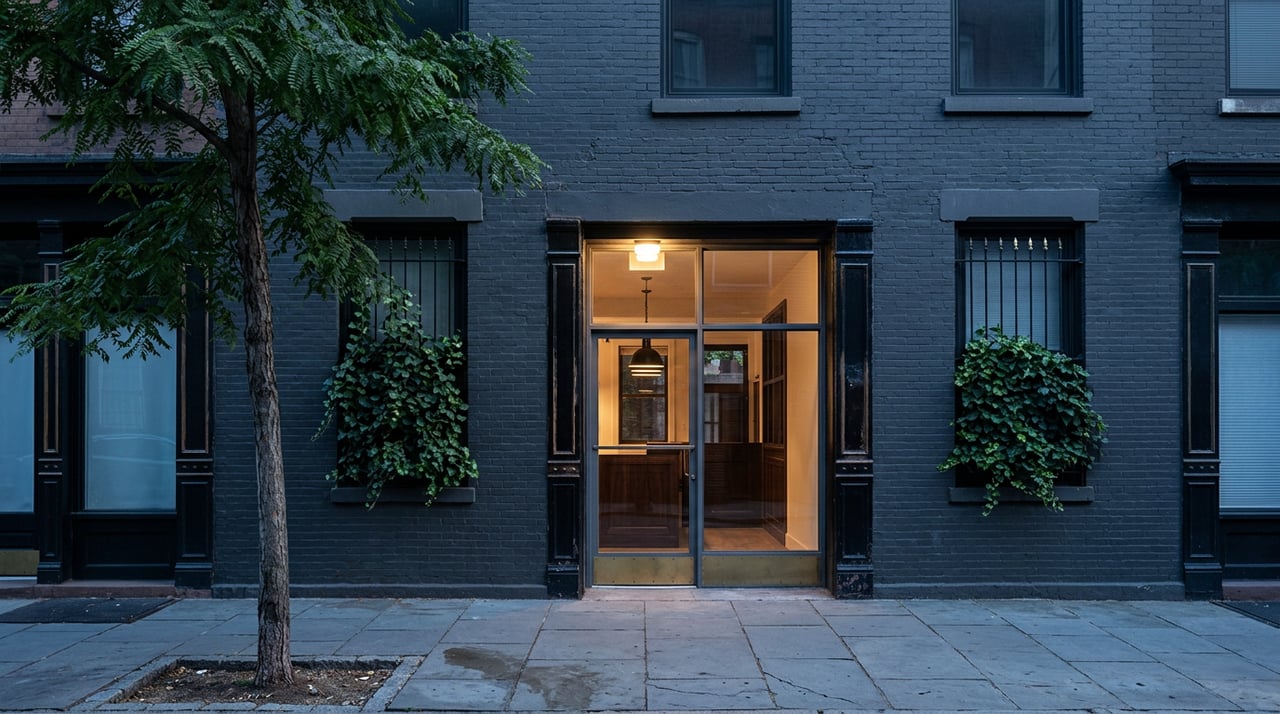
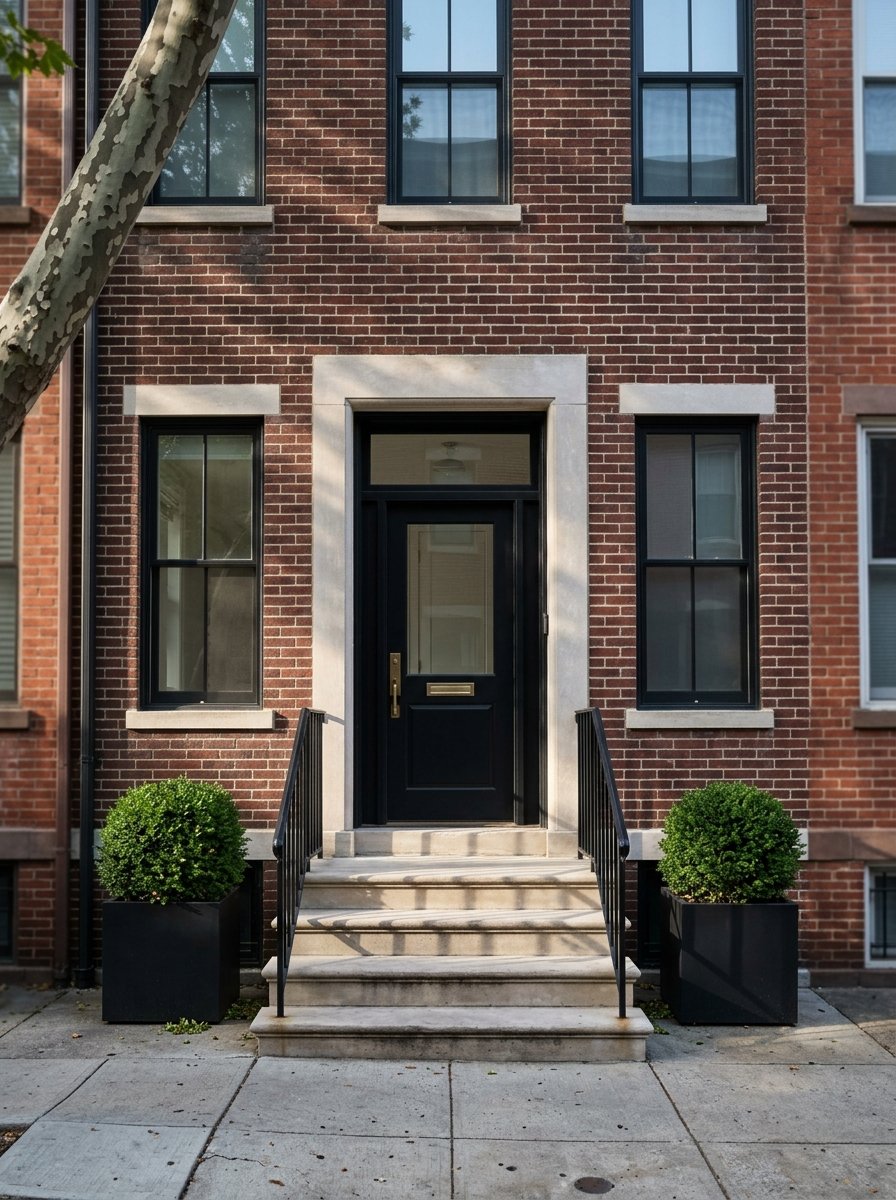
Upper East Side townhouses occupy a distinct corner of the Manhattan market. Many are roughly 100 to 125 years old, and a large share sit within historic districts where buyers evaluate both the house itself and the rules that may affect future changes.
That difference shapes how serious buyers think. They are not just comparing bedroom counts or finishes. They are weighing width, layout, architectural pedigree, privacy, outdoor space, and how comfortably the home works for modern life.
Many original row houses in this part of Manhattan were designed as single-family homes and often included servant spaces and service circulation. Today, those legacy features can still matter, especially when they support guest use, staff accommodations, storage, cellar utility, or a more efficient daily flow through the home.
Recent Upper East Side listings reflect that buyer mindset. Homes are often marketed around width, square footage, gardens, elevators, fireplaces, triple exposures, separate service entrances, and staff rooms. In other words, buyers are often purchasing a full lifestyle package, not just an address.
Price With Discipline, Not Emotion
Pricing an Upper East Side townhouse can be one of the hardest parts of the sale. Every house has its own mix of width, lot size, façade, layout, renovation quality, and condition, which means no two comp sets are perfectly alike.
That is why pricing discipline matters. In Manhattan’s broader sales market, Q1 2026 closings rose 1% year over year to 2,757, sales volume reached $6.2 billion, days on market fell to 110, and active inventory sat just above 6,000 units. The market is active, but buyers remain selective.
Townhouses tend to move more slowly than apartments. Brown Harris Stevens reported that Manhattan townhouse sales in 2024 averaged 209 days on market, with a median price of $5.5 million, and sellers achieved 91.5% of their last asking price. For you, that means patience is normal, but overpricing can still cost momentum.
The best pricing strategy is usually built from the most relevant recent townhouse comps, not the loudest headline sale. A 19-foot-wide, 4,500-square-foot home with a garden and elevator will attract a different buyer than a 21-foot-wide, 9,000-plus-square-foot townhouse with multiple staff rooms and a landscaped garden. Raw square footage matters, but it does not tell the whole story.
What to weigh in your comp set
- Width of the house
- Lot size and outdoor space
- Single-family versus other configurations
- Renovation quality and move-in readiness
- Elevator access
- Light and exposures
- Service entrance or staff areas
- Cellar utility and flex space
- Historic character and façade appeal
- Overall layout and circulation
If your home is truly one of one, your pricing strategy still needs structure. The goal is to tell a believable value story supported by condition, features, and the closest available comparables.
Presentation Should Clarify the Home Fast
Upper East Side townhouses can be visually stunning, but they can also feel complex to buyers if the presentation is unclear. Because these homes often span multiple floors, your marketing needs to help buyers understand not just beauty, but flow.
Staging and media matter here. In the National Association of Realtors’ 2025 staging report, 83% of buyers’ agents said staging made it easier for buyers to visualize a home, and 29% said staging increased the dollar value offered by 1% to 10%. Photos were rated important by 73%, traditional staging by 57%, video by 48%, and virtual tours by 43%.
That aligns well with what townhouse buyers need. They want to quickly understand how the parlor floor lives, where the primary suite sits, how the kitchen connects to entertaining space, and whether outdoor areas feel usable and private.
Rooms to stage first
- Living room or parlor floor
- Primary bedroom or suite
- Kitchen
- Garden, terrace, or other outdoor space
- Stair hall
- Mudroom or service entry
- Cellar level
- Flex spaces that can read as office, gym, or guest use
The strongest approach is usually polished but restrained. Buyers tend to respond when original moldings, fireplaces, staircases, and architectural detail are easy to see. Decluttering, repairing, and lightening the home often does more for value perception than over-styling it.
Condition Still Drives Buyer Confidence
Architectural charm gets attention, but condition often determines whether a buyer moves forward. Corcoran’s townhouse guidance notes that the strongest brownstones are often the ones in the best condition, and buyers frequently want larger rooms, more openness without sacrificing privacy, and a stronger connection between indoor and outdoor space.
That does not mean every seller needs a major renovation before listing. It does mean obvious deferred maintenance can hurt your position. Buyers often bring an architect, inspector, contractor, lender, and attorney into the process early, so visible issues are likely to surface quickly.
Before launch, it helps to evaluate:
- Roof condition
- Windows
- Exterior walls and façade elements
- Stairs and structural wear
- Plumbing, HVAC, and electrical systems
- Water intrusion or cellar moisture concerns
- Garden or terrace usability
- Function of service and storage spaces
A well-prepared home signals control and transparency. In a market where buyers are selective, that can improve both showing quality and negotiating strength.
Landmark Status Matters More Than Many Sellers Expect
If your townhouse sits within the Upper East Side Historic District or its extension, landmark context is not a side issue. It is part of the property story and part of buyer due diligence.
The Landmarks Preservation Commission notes that much of the townhouse stock from the low 60s through the mid-70s around Park, Madison, and Lexington falls within designated historic-district boundaries. In these districts, most exterior changes to front and rear façades require review, including some work that is not visible from the street.
At the same time, ordinary maintenance such as replacing broken glass, repainting in the existing color, or caulking does not require LPC approval. Interior work can also trigger review if it requires a Department of Buildings permit or affects the exterior.
For a seller, this usually becomes important when a buyer asks about windows, rear additions, roof work, stoop changes, or other visible alterations. If you can answer those questions with clean records, the transaction often feels more credible and less risky.
Records to gather before listing
- LPC approvals, if applicable
- Department of Buildings permits
- Architectural drawings and plans
- Contractor invoices and completion records
- Open violation status
- Documentation for window, roof, stoop, or rear façade work
- Records that explain major alterations over time
This is especially useful for estate sales or long-held family properties where paperwork may be spread across years of ownership. Organizing it upfront can save valuable time later.
Townhouses Compete Differently Than Condos and Co-ops
Your townhouse is not competing head-to-head with every luxury condo or co-op nearby. It is a different product, and it should be marketed that way.
In New York City, condo and co-op buyers evaluate ownership structure, building rules, financial requirements, and shared systems. Condos often offer more flexibility, while co-ops often have stricter application standards. Those homes may also compete on amenities and newer building features.
A townhouse buyer is usually looking for something else. Privacy, scale, direct ownership of the full building, outdoor space, and architectural character tend to carry more weight than a fitness center, doorman, or shared amenities package.
That is why your sales narrative should present the house as a complete system. Buyers want confidence in physical condition, livability, and the path to move-in readiness. A beautiful façade alone is not enough.
A Confident Sale Starts Before You Go Live
The best townhouse launches rarely happen by accident. They are usually built on a thoughtful pre-listing process that sharpens the story, tightens the paperwork, and presents the home with purpose.
For most Upper East Side sellers, the strongest strategy rests on three pillars: architectural storytelling, comp-based pricing, and clean due diligence. When those pieces are in place, you give buyers fewer reasons to hesitate and more reasons to act.
That matters in a market where patience is often part of the process. Townhouses can take longer to sell than standard Manhattan apartments, but well-presented and well-documented homes are still the most likely to command serious attention from qualified buyers.
If you are preparing to sell an Upper East Side townhouse and want a discreet, highly tailored strategy from pricing through presentation, Lauren Mitinas-Kelly | Limitless LMK offers founder-led guidance, elevated marketing, and white-glove execution designed for complex Manhattan sales.
FAQs
How should you price an Upper East Side townhouse with few comparable sales?
- Focus on the closest recent townhouse comps and adjust for width, lot size, condition, layout, outdoor space, and renovation quality rather than relying on standout headline sales.
What features matter most when selling an Upper East Side townhouse?
- Buyers often pay close attention to privacy, scale, architectural detail, elevator access, outdoor space, light, layout, service areas, and overall move-in readiness.
Does landmark status affect an Upper East Side townhouse sale?
- Yes. If the property is in a historic district, buyers may review approvals and records for exterior work such as windows, rear additions, roof work, or stoop changes.
Which spaces should you stage first in an Upper East Side townhouse?
- Start with the living room or parlor floor, primary suite, kitchen, and outdoor areas, then clarify circulation with strong presentation of the stair hall, cellar, service entry, and flex spaces.
What paperwork should you gather before listing an Upper East Side townhouse?
- Assemble permits, LPC approvals if applicable, drawings, contractor records, and open violation information so buyers can evaluate the home with greater confidence.
How is selling an Upper East Side townhouse different from selling a condo or co-op?
- A townhouse sale usually centers more on the full-building condition, privacy, scale, architecture, and outdoor space than on amenities or shared-building rules.