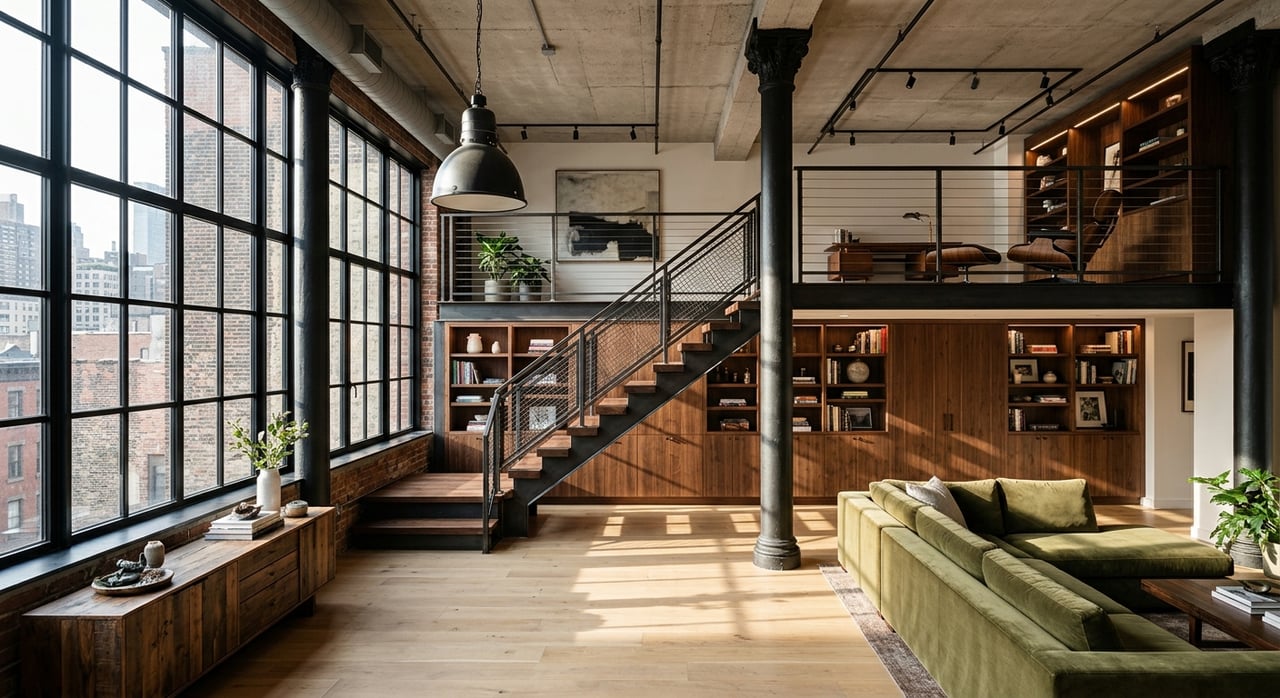
Buying a loft in downtown Manhattan can feel simple at first glance. You see the square footage, the ceiling height, and the light, and it all looks impressive. But in Tribeca and SoHo, layout is what often determines whether a loft feels dramatic, practical, private, or truly authentic to the building’s history. If you are weighing options in either neighborhood, understanding how these layouts work can help you choose with much more confidence. Let’s dive in.
Why Tribeca and SoHo lofts stand apart
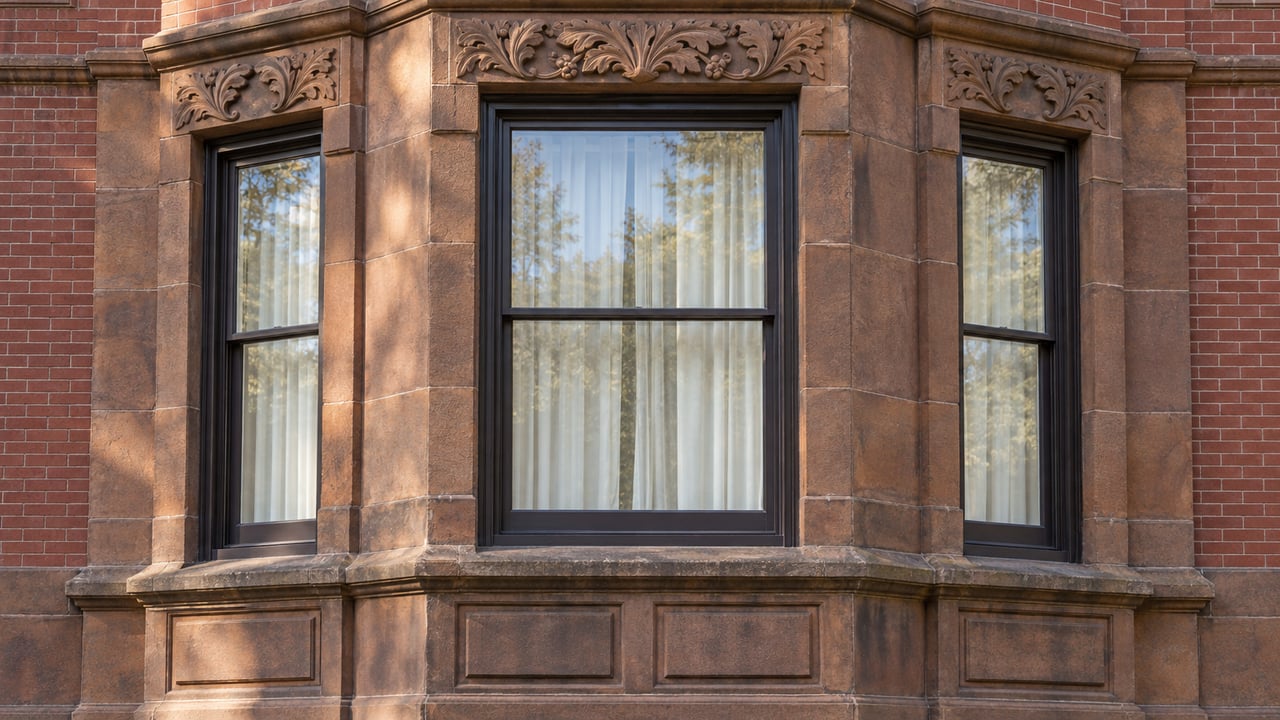
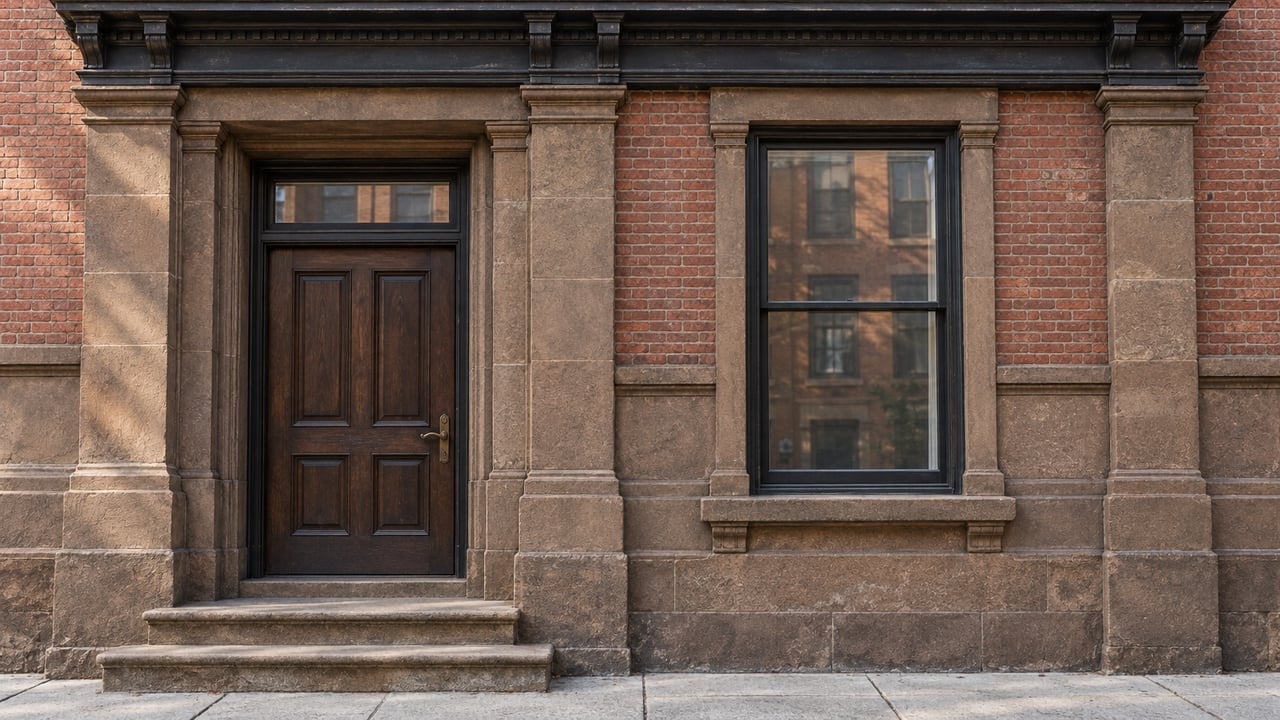
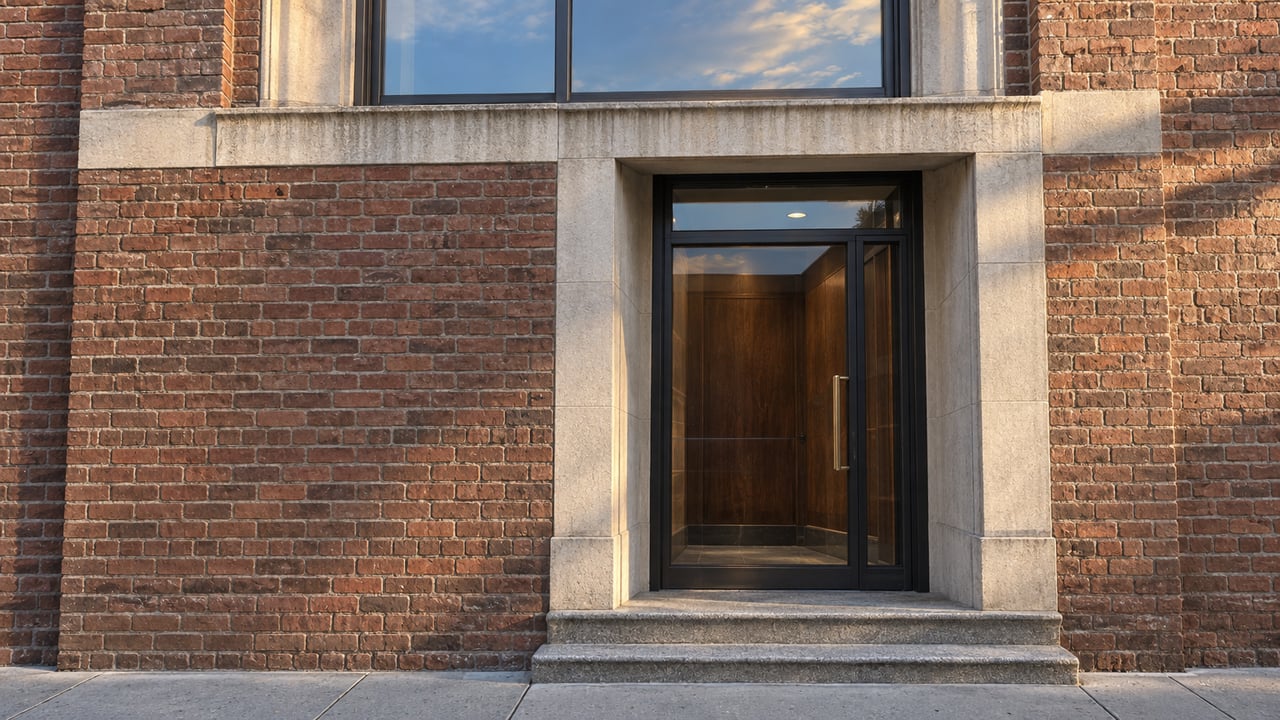
Tribeca and SoHo lofts were not originally designed like modern apartment homes. Much of SoHo’s loft stock grew from post Civil War store-and-loft buildings used by wholesale merchants and manufacturing businesses, while many landmarked loft buildings in Tribeca were built for commerce, storage, light manufacturing, showrooms, and offices.
That history matters because the layout you see today often reflects the bones of those earlier commercial spaces. Large floorplates, high ceilings, structural columns, broad windows, side-wall stairs, open hoistways, and later elevator insertions all helped shape the loft experience that buyers still value today.
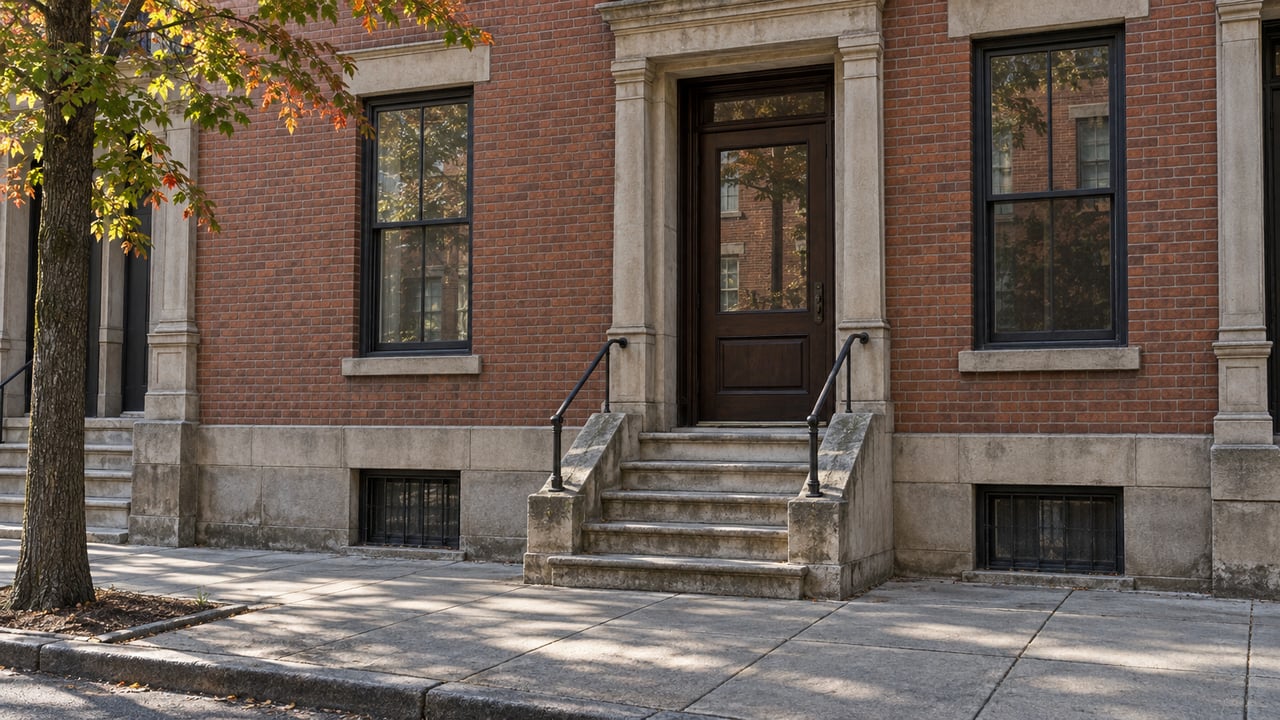
These neighborhoods also include landmarked districts, which can affect how a building evolves over time. In New York City, Landmarks Law rules apply once designation is effective, so exterior changes and some major work may be subject to review. For buyers, that means the final layout is often shaped by both preservation rules and building code requirements.
What makes SoHo and Tribeca feel different
SoHo loft character
SoHo’s loft identity is closely tied to artists, galleries, and the large, high-ceilinged spaces that drew creative residents into former industrial and commercial buildings. That legacy still shows up in lofts that feel especially open, gallery-like, and visually dramatic.
Because many SoHo buildings were adapted over time, you will often notice a strong connection between the loft layout and the neighborhood’s creative history. In practical terms, that can mean more emphasis on uninterrupted living space and a stronger sense of old-school loft volume.
Tribeca loft character
Tribeca’s loft story is more tied to store-and-loft and warehouse-like commercial buildings that later absorbed residential use as manufacturing declined. Historic reports describe buildings on narrow lots, sometimes combined into larger or through-block structures, which helps explain why some Tribeca lofts feel unusually flexible in plan.
That gives Tribeca a slightly different expression of loft living. You may still find openness and scale, but often with layouts that reflect a building’s deeper commercial and warehouse roots.
The main loft layouts you will encounter
Wide-open floorplate lofts
This is the classic loft layout many buyers picture first. A wide-open floorplate keeps interior walls to a minimum and preserves one large main volume.
In both Tribeca and SoHo, this configuration feels true to the original building type because these spaces were created for commerce, storage, showrooms, and light manufacturing rather than bedroom-heavy residential living. The result is a home that can feel expansive, architectural, and highly distinctive.
This layout often appeals to buyers who want:
- A dramatic great room
- Strong entertaining flow
- Gallery-style wall space for art
- Flexibility for furniture placement
- A stronger sense of original loft character
The tradeoff is privacy. With fewer partitions, sound separation and defined personal zones are usually more limited.
Split-bedroom lofts
A split-bedroom or more compartmentalized loft takes the opposite approach. Instead of preserving one large volume, later residential conversions often carve out separate sleeping areas and more conventional rooms.
For many buyers, this improves daily function. You can separate sleep, work, and entertaining more clearly, and the home may feel easier to live in long term.
This layout often works well if you value:
- More privacy between rooms
- Better separation for guests or household members
- More conventional day-to-day flow
- Clearer work and rest zones
The tradeoff is that some of the loft’s original scale can feel reduced. You gain usability, but you may lose some of the open continuity that defines true loft living.
Mezzanine and duplex lofts
A mezzanine is an intermediate level between the main floor and the ceiling, and in a loft, it can be an effective way to add function without fully sacrificing height. In real life, that might mean a sleeping area, home office, or media space above the main living zone.
This setup can preserve some of the double-height drama below while adding an extra layer of utility. At the same time, it makes the home feel more segmented than a single open floorplate.
For buyers, the appeal is usually a mix of flexibility and visual interest. But mezzanines also require careful review, since New York City Buildings guidance notes they can affect code treatment depending on floor area and other factors.
Converted industrial and live-work lofts
Some lofts still show a more overt industrial or live-work character, which is often inseparable from the building’s conversion history. New York City Planning defines a loft as a building or space designed for commercial or manufacturing use, generally built before 1930.
The legal side matters here. The Loft Board oversees the legal conversion of certain commercial and manufacturing spaces to residential use, and the Department of Buildings notes that a change from commercial to residential use requires a new or amended certificate of occupancy.
That does not make these homes less desirable. In many cases, it is exactly what gives them their appeal. It does mean buyers should look at both the aesthetic and the legal framework behind the layout.
Why equal square footage can feel different
Two lofts can offer the same number on paper and still live in completely different ways. In Tribeca and SoHo, the feel of a loft is shaped by more than just size.
Ceiling height and volume
SoHo’s historic reports specifically describe large, high-ceilinged spaces, and that extra vertical scale changes the entire experience of a home. A lofty ceiling can make a room feel calm, expansive, and better suited for oversized furnishings or statement lighting.
Column placement and span
Structural columns can either support the rhythm of a loft or interrupt it. In an open plan, column placement helps define how naturally your living, dining, and work zones fit together.
Window rhythm and light
The spacing and shape of windows can change how balanced a loft feels. In older store-and-loft buildings, that rhythm is often part of the architecture itself, and it can make one home feel more composed and usable than another of similar size.
Added walls or mezzanines
A loft with new bedroom walls or a mezzanine may be more practical for your day-to-day life. But those same features can reduce the uninterrupted visual sweep that makes loft living feel special in the first place.
Matching layout to lifestyle
The best loft layout is usually the one that supports how you actually live. In Tribeca and SoHo, that decision is rarely just about aesthetics.
If you love entertaining
A wide-open floorplate is often the easiest fit if you host often, collect art, or want a large central living space. The openness feels natural in these neighborhoods because it reflects the original commercial volume of the buildings.
If you want everyday privacy
A split-bedroom layout usually supports more separation between entertaining and personal space. If you work from home, host guests, or want more distinction between rooms, this style may feel easier to live with over time.
If you need flex space
A mezzanine or duplex-style configuration can create a useful bonus zone for work, media, or sleeping. It can be a smart compromise if you want both visual drama and a bit more functional division.
If you value original character
Some buyers are drawn most to authenticity. In that case, details such as high ceilings, column grids, cast-iron or masonry context, and a plan that preserves the original architectural rhythm may matter as much as bedroom count.
What buyers should verify before committing
A beautiful loft layout can be compelling, but in these neighborhoods, due diligence is part of smart buying. Before you fall in love with a floorplan, there are a few important points to confirm.
Check landmark status
If the building is in a landmarked district, future work may be shaped by preservation review. That can matter if you plan to alter windows, rework portions of the exterior, or pursue major changes tied to the apartment.
Review the certificate of occupancy
For loft buildings, the certificate of occupancy is a key document. If a space changed from commercial to residential use, the Department of Buildings requires a new or amended certificate of occupancy.
Confirm mezzanines and reconfigurations
If a loft includes a mezzanine or a substantial rework from its original plan, buyers should confirm that those changes were properly legalized. This is especially important in properties where the visual appeal comes from a customized layout.
Why layout matters so much in these neighborhoods
In a standard apartment building, layout can feel like a matter of preference. In Tribeca and SoHo, it often goes deeper than that. The plan is part of the property’s history, daily livability, and long-term value proposition.
That is why one loft can feel effortless and memorable while another feels compromised, even when both appear similar on paper. The strongest purchase decisions come from understanding how the building’s origins, legal framework, and physical layout all work together.
If you are considering a loft in Tribeca or SoHo, a nuanced read on layout can save time and sharpen your search. For discreet guidance on downtown Manhattan loft opportunities, including curated and off-market options, connect with Lauren Mitinas-Kelly | Limitless LMK.
FAQs
What is a wide-open loft layout in Tribeca or SoHo?
- A wide-open loft layout keeps interior partitions to a minimum and preserves one large main living volume, which reflects the original commercial character of many downtown loft buildings.
What is the difference between a SoHo loft and a Tribeca loft?
- SoHo lofts are more closely associated with artists, galleries, and large high-ceilinged spaces, while Tribeca lofts are more tied to store-and-loft and warehouse-like commercial buildings later adapted for residential use.
Why can two Manhattan lofts with the same square footage feel so different?
- Ceiling height, column placement, window rhythm, uninterrupted span, and whether the home includes added walls or a mezzanine can dramatically change how a loft feels and functions.
What should buyers verify about a Manhattan loft layout before buying?
- Buyers should confirm whether the building is in a landmarked district, whether the layout matches the certificate of occupancy, and whether any mezzanine or major reconfiguration was properly legalized.
Are mezzanine loft layouts common in Tribeca and SoHo?
- Mezzanine layouts do appear in downtown lofts and can add office, sleeping, or media space while preserving some open volume below, but they require careful code review because mezzanine area can affect code treatment.