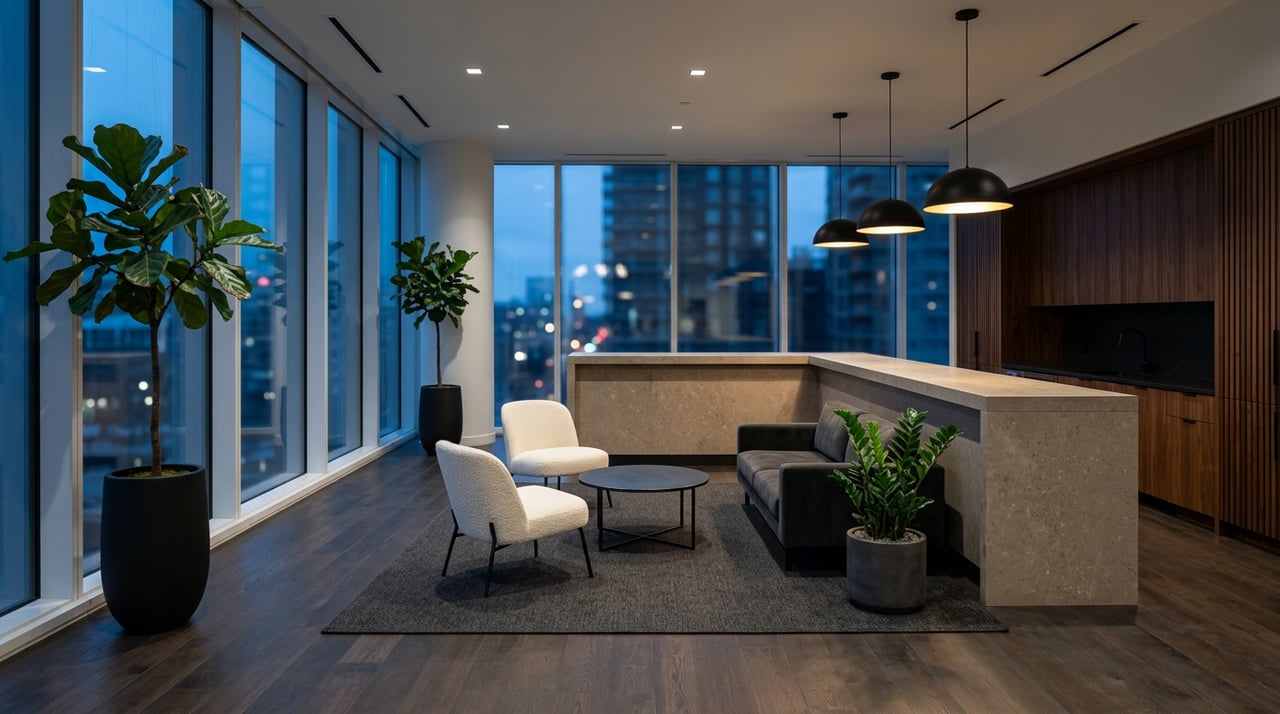
You want the ease of hotel-level living with the energy of Midtown at your door. In Midtown South’s 10036, that is exactly what the latest condo and mixed-use buildings are built to deliver. Before you fall for the spa, the pool, and the private club, it pays to understand how those amenities shape pricing, monthly costs, and long-term value. This guide breaks down what is coming to Midtown South, how amenity packages are structured, and what to check before you buy or invest. Let’s dive in.
Midtown South is changing fast
Midtown South is evolving from a primarily commercial corridor into a live-work neighborhood. The city’s Midtown South Mixed-Use (MSMX) plan is designed to add housing and mixed uses across a broad central-Manhattan zone, opening doors for new residences and conversions. You can read the city’s goals and planning scope on the official Midtown South Mixed-Use Plan page.
A key driver is office-to-residential conversion. Case in point: 5 Times Square is moving forward as a large conversion expected to produce roughly 1,200 to 1,250 apartments, a clear sign of the scale coming to the area. The project’s overview from Empire State Development outlines the public-private effort and program details at 5 Times Square.
More conversions are in the pipeline. Several Midtown West office properties and 30 to 40-story towers have proposals to bring new residential inventory, often with full amenity floors and ground-floor retail. For context on the broader trend, see CityRealty’s roundup of major office-to-residential conversions across NYC.
What amenity-rich living looks like here
Not every building delivers the same lifestyle. In Midtown South, you will see three main formats, each with its own service model and cost profile.
1) Office-to-residential conversions
These are large, multi-floor reuses of former office towers that create many new homes under one roof. Expect different floor plates than new construction, smart layouts, and big amenity zones that often include fitness centers, lounges, and co-working. Because of the scale, these properties tend to bring curated ground-floor retail and strong on-site staffing.
2) New mixed-use towers and branded residences
Some towers pair residences with hotel operations or hospitality-style services. Think spa programs, lap pools, private dining rooms, in-residence services, and a residents’ club. Globally, hotel-branded or affiliated residences often sell at a measurable premium versus similar non-branded homes. Industry reporting places that premium in the 20 to 35 percent range, with project-to-project variation. For a simple primer on the value story, see The Real Deal’s coverage of the branded-residence premium and global pipeline here.
To understand the lifestyle proposition and the potential tradeoffs, CityRealty’s overview on branded living outlines perks and pitfalls, from standards and service levels to operating rules. Read their take on the perks and pitfalls of branded living.
3) Amenity-heavy condos without a hotel brand
These buildings deliver a wellness-first program without a hotel affiliation. Expect oversized fitness hubs, pools or hydrotherapy, pet services, media rooms, golf simulators, and co-working suites, often paired with boutique retail at the base. Many sponsors outsource programming and staffing to third-party lifestyle operators, which adds consistency but also a recurring budget line. For how these programs are staffed and run, explore FirstService Residential’s Amenity Collective model here.
How amenities shape pricing and monthly costs
Amenities are not free. They influence both what you pay to buy and what you pay each month to live or hold.
Price premiums and demand
- Branded residences frequently command a premium, often cited in the 20 to 35 percent range across global markets. They also tend to draw buyers who want turnkey living and consistent service.
- For non-branded amenity packages, industry commentary shows a positive push on initial pricing and rental velocity. Long-term value depends on how well the building maintains service levels and budgets. A wellness-focused industry report summarizes these effects on pricing and demand in the context of amenity and wellness features. See the analysis in the Wellness Real Estate Report.
Carrying costs and why fees rise
Monthly common charges fund the people and systems behind the lifestyle you see on the tour. That includes concierge and security staff, amenity attendants, programming teams, utilities to run large common areas, pool heating, HVAC, insurance, cleaning, and repairs.
Recent reporting shows ownership costs have been rising. An appraisal-industry analysis highlighted a roughly 8.6 percent year-over-year increase in Manhattan condo monthly costs in Q4 2024. Habitat Magazine’s coverage breaks down drivers such as insurance and utilities, which are magnified in amenity-heavy buildings. Read the fee trend summary here.
What to verify in a budget
Before you fall in love with the amenities, ask for documents that show how the lifestyle is funded.
- Current common charge schedule and per-square-foot figure
- Full operating budget with staffing, utilities, insurance, cleaning, and amenity programming line items
- Reserve fund balance and any special assessments on the horizon
- Amenity operator contract details, including staffing model and hours of operation
- Any tax abatements or incentives and their sunset schedule
These items help you gauge current affordability and your likely future costs.
End-user vs. investor: who benefits most
If you plan to live here
- Pros: You get lock-and-leave convenience, hotel-like standards, and daily wellness access. On-site retail and services compress your daily errands into an elevator ride. Branded programs can add consistency and predictability across staffing and service levels, which many residents value.
- Cons: Higher common charges, rules on guest and sublet policies, and the chance that certain amenity spaces are under-used. Review the budget, recent assessments, and service track record so you know what you are paying for.
For a practical overview of branded-living pros and cons, see CityRealty’s guide to the perks and pitfalls of branded residences.
If you plan to invest
- Pros: Amenity-rich buildings can rent faster and achieve premium rents, especially early in a building’s life cycle. Branded projects often show stronger liquidity in the luxury segment.
- Cons: Higher non-recoverable operating costs reduce net yield. Short-term rental limits are common. Service levels must be sustained through the budget, or resale value can suffer.
Investors should underwrite conservatively: subtract common charges, property taxes, insurance, management fees, vacancy, and reserves from gross rent, then test multiple interest-rate cases to see how leverage impacts returns.
Midtown South vs. other Manhattan hubs
When you compare Midtown South to Midtown East or Downtown, remember that the drivers differ by corridor. Midtown South is shaped by conversions and new mixed-use projects with robust amenity decks and curated retail. Midtown East follows its own rezoning and transportation-heavy growth pattern around Grand Central. Downtown mixes legacy luxury condos with its own large conversions. The key is to compare building by building, then weigh each amenity program against its budget and your use case.
Smart steps to compare buildings in 10036
Use this quick due diligence checklist before you make an offer.
- Confirm the building type: conversion, hotel-branded, or amenity-heavy non-branded
- Ask for the full offering plan and the most recent condo budget
- Review common charges, per-square-foot charges, and recent increases
- Check reserve fund balance and any active or pending assessments
- Identify the amenity operator and staffing model, including hours and service scope
- Verify sublet and guest policies, especially if you plan to rent out the home
- Note any tax abatements, incentives, or expiration dates
- Compare recent sales and rentals in the building and on the same blocks
If you want a second set of eyes, our team can benchmark these items across comparable Midtown South buildings for you.
Mortgage rates, energy rules, and the bottom line
Two macro forces also shape affordability and resale.
- Mortgage rates: The Freddie Mac Primary Mortgage Market Survey is the go-to reference for national rate trends. Around early March 2026, the 30-year average hovered near 6 percent. Check the latest weekly reading on the PMMS page when modeling payments.
- Local Law 97: Energy-performance standards can require retrofits in larger buildings. Costs show up as capital expenses or as part of the operating budget, which affects common charges. For an overview of compliance and timelines, see this guide to Local Law 97.
Insurance and utility inflation also matter. These are major line items in amenity-heavy buildings, and they can pressure fees over time. Habitat Magazine’s coverage of rising monthly costs is a good high-level resource to frame expectations. You can read that summary here.
Is 10036 right for your next move
If you want to live steps from Broadway and Bryant Park with services that feel like a five-star hotel, Midtown South’s amenity-rich condos are built for you. The tradeoff is simple: you pay more each month to fund the lifestyle behind the glossy brochure. For many residents, the return is time, ease, and a building team that knows your name. For investors, the story is more sensitive to fees and rules. Underwrite carefully, confirm the operating budget, and pay attention to service quality and long-term compliance costs.
Ready to compare buildings, budgets, and real lifestyle value in Midtown South? Arrange a Private Viewing with Lauren Mitinas-Kelly | Limitless LMK to see the right options on and off market.
FAQs
What is “amenity-rich” condo living in Midtown South?
- It means homes in buildings with hotel-like services and spaces such as full gyms, pools, lounges, co-working, pet care, and curated retail, often supported by dedicated on-site staff.
How do amenities affect monthly common charges in 10036 condos?
- Amenities add recurring costs for staffing, utilities, insurance, cleaning, and programming, which raise common charges; recent reporting shows Manhattan monthly costs have been increasing, so review each building’s budget.
Are hotel-branded residences in Midtown South worth the premium?
- Branded residences often sell at a 20 to 35 percent premium and can offer consistent service and stronger liquidity, but they also carry higher fees and rules; weigh your lifestyle needs and holding period.
What should an investor check before buying an amenity-heavy condo?
- Build a conservative pro forma that subtracts common charges, taxes, insurance, management, vacancy, and reserves from rent, and confirm sublet policies, amenity operator terms, assessments, and any tax abatements.
How will Local Law 97 impact amenity-heavy buildings in Midtown South?
- Compliance may require retrofits or operational changes that add capital or operating costs, which can be passed through to owners, so review the building’s LL97 plan and funding approach.