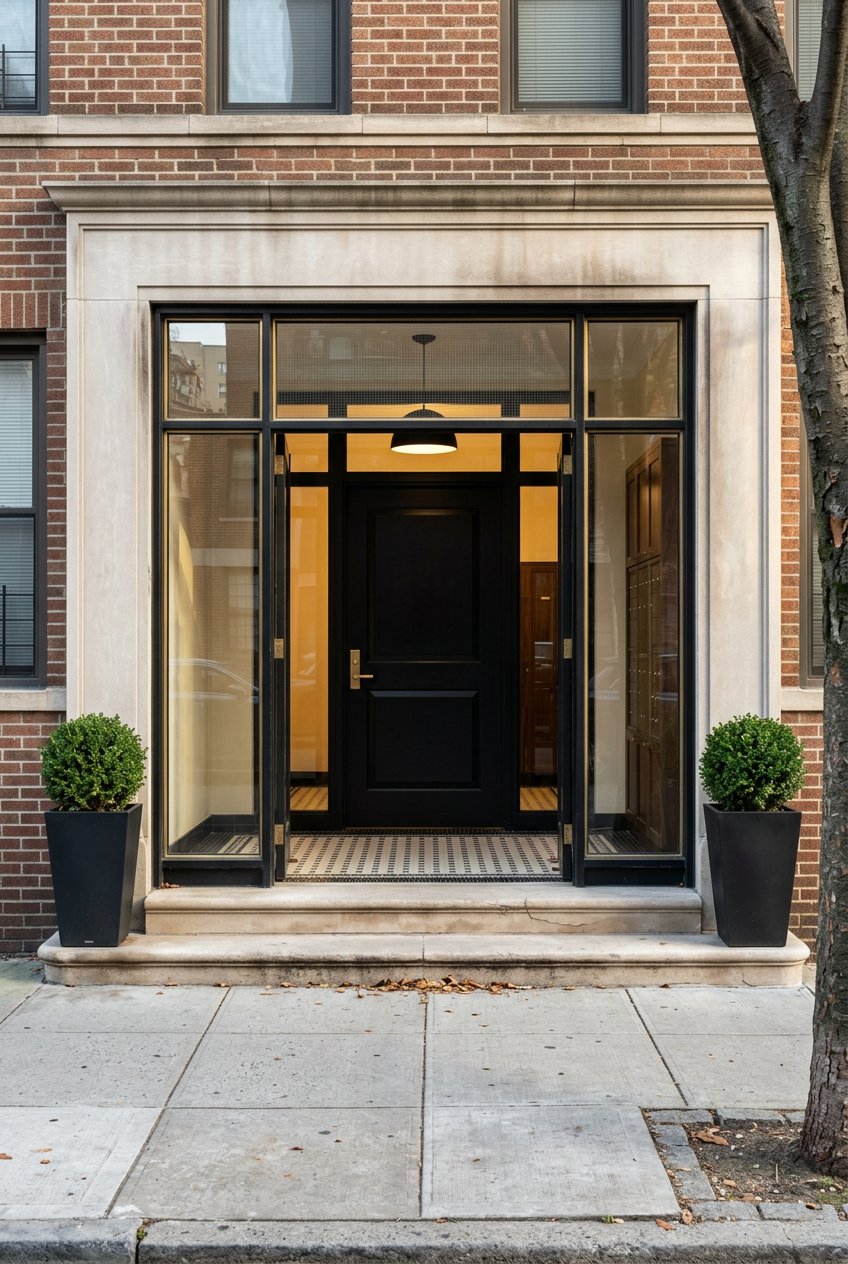
What if your front door came with a key to a private park? In Gramercy, that idea is more than a dream. If you are drawn to quiet, tree-lined streets, storied architecture, and refined living, the apartment style you choose will shape your day-to-day life. This guide helps you understand the core home types in Gramercy, what to expect in each, and how to match them to your lifestyle with confidence. Let’s dive in.
Why Gramercy feels different
Tucked just east of Union Square and Flatiron, Gramercy is compact and elegant. Most guides mark its borders from 14th to 23rd Street and Park Avenue South to First Avenue, with a graceful mix of historic and mid-century buildings around its core. At the center sits the gated, two-acre Gramercy Park, a defining amenity and cultural touchstone. You can read more about the neighborhood’s history on the Gramercy Park overview.
The park’s keys are famously limited. Access is managed by the park’s trust and a small set of buildings around the park that hold key rights. Developers and sellers often highlight whether a residence conveys park access or if residents can join eligible clubs. This dynamic shapes demand and prestige for park-facing homes. For a deeper look at how keys work and which buildings have access, see this CityRealty history and building list.
Architecturally, Gramercy blends 19th-century townhouses and prewar elevator co-ops near the park with loft conversions and boutique condos closer to Union Square and Flatiron. That mix gives you distinct home choices, each with its own feel and flow.
Prewar co-ops: the signature choice
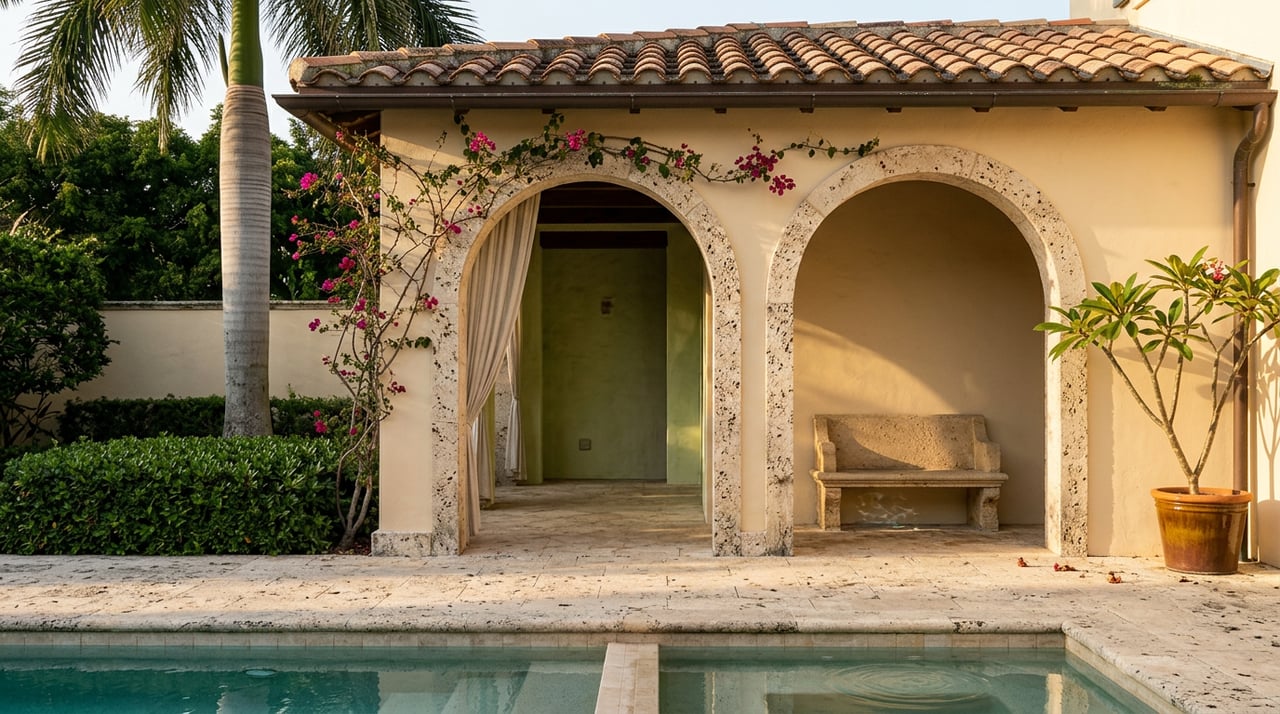
Prewar co-ops define the Gramercy experience for many buyers. These buildings often have formal layouts with foyers, separate living and dining rooms, and bedroom wings. Expect high ceilings, original wood floors, plaster cornices, and working or decorative fireplaces. Larger homes may be described as a “classic six” or “classic seven,” shorthand for a series of formal rooms plus a smaller service or office room. For a simple definition of a classic six, see this overview from Fontan Architecture.
Around the park you will find storied addresses and refined apartments with park views and gracious proportions. 34 Gramercy Park East is frequently cited in local histories as an early co-op and is a touchpoint for the area’s Gilded Age apartment house heritage. Many buildings here highlight whether they include park keys, a rare and valued amenity that can influence pricing and demand.
Because many prewar buildings are co-ops, you should understand how ownership works. Co-ops typically require board approval and may set policies around subletting, financing, and renovations. If you want a clear primer on the differences between co-ops and condos, review this consumer guide from Chase.
What to look for
- Ceiling height, moldings, and fireplace details that reflect the building’s era.
- A true dining room or a living room large enough for both dining and seating.
- Park views or key rights, which add lifestyle and long-term appeal.
- Board rules on renovations, pied-à-terre use, and subletting.
Buyer fit
If you value formal rooms, classic craftsmanship, and an elegant, quiet setting, a prewar co-op near the park is a strong match.
Brownstones and townhouses
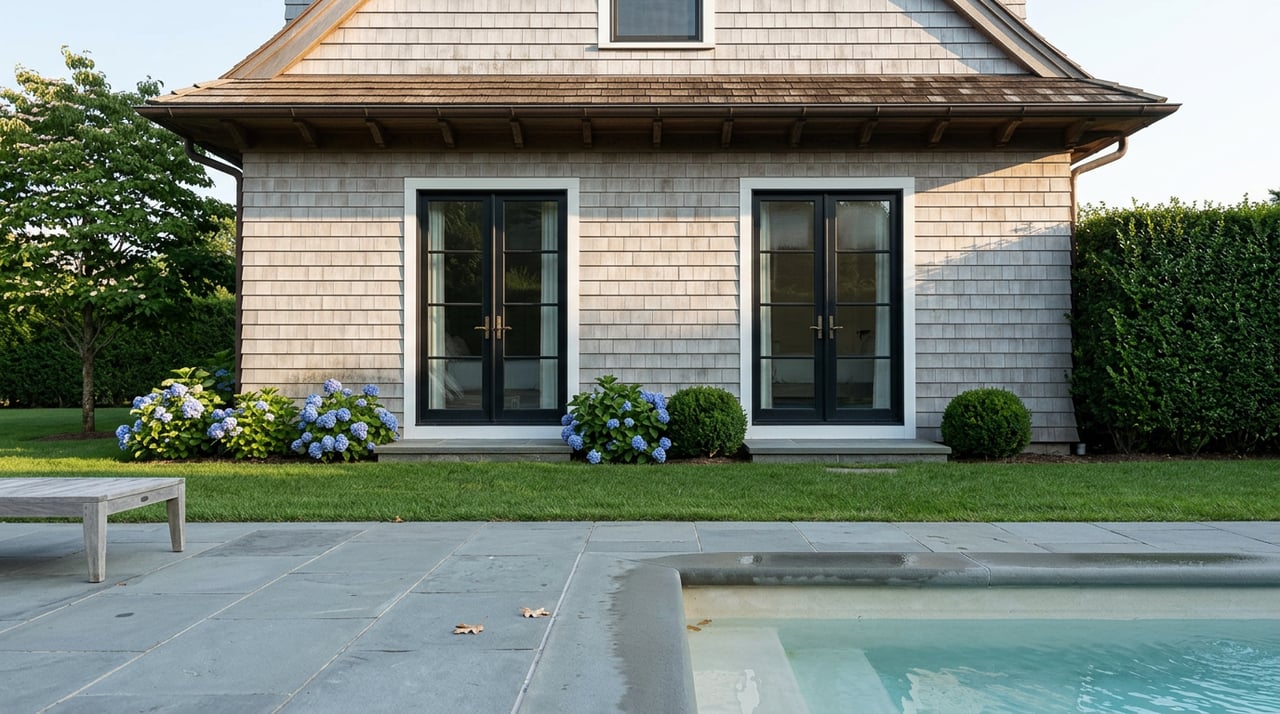
On the side streets, you will find rows of low-rise brownstones and townhouses that feel more like a private home than a typical apartment. These residences are often multi-level with interior stairs, generous ceiling height, and private outdoor space like a rear garden or terrace. They appeal to buyers who want scale, separation of spaces, and a house-like lifestyle.
A beloved example is East 19th Street’s “Block Beautiful,” a stretch known for its charming, human-scale architecture and leafy calm. For context on the block’s historic note, see this Block Beautiful marker entry.
What to look for
- Garden or terrace access, and the privacy level of outdoor space.
- Whether the property is single-family, multi-unit, or a condo-converted townhouse.
- Interior stair counts and bedroom placement by floor for daily living flow.
Buyer fit
If you want outdoor space, vertical living, and a more private residential feel on a tree-lined block, a townhouse is a compelling choice.
Loft conversions and loft-like homes
You will see more loft conversions and loft-like apartments at the edges of Gramercy near Flatiron and Union Square, especially along Park Avenue South and adjacent commercial blocks. These homes often have tall ceilings, wide-open floor plans, oversized windows, and exposed structural elements. Inside some older buildings, owners have opened kitchens and combined rooms to create airy, loft-like living even without a true industrial past.
Buyer fit
If you prize flexible space for work and entertaining, open kitchens, and a light-filled, modern vibe, look for loft conversions or loft-like layouts close to the Flatiron and Union Square corridors.
Boutique condos and condops
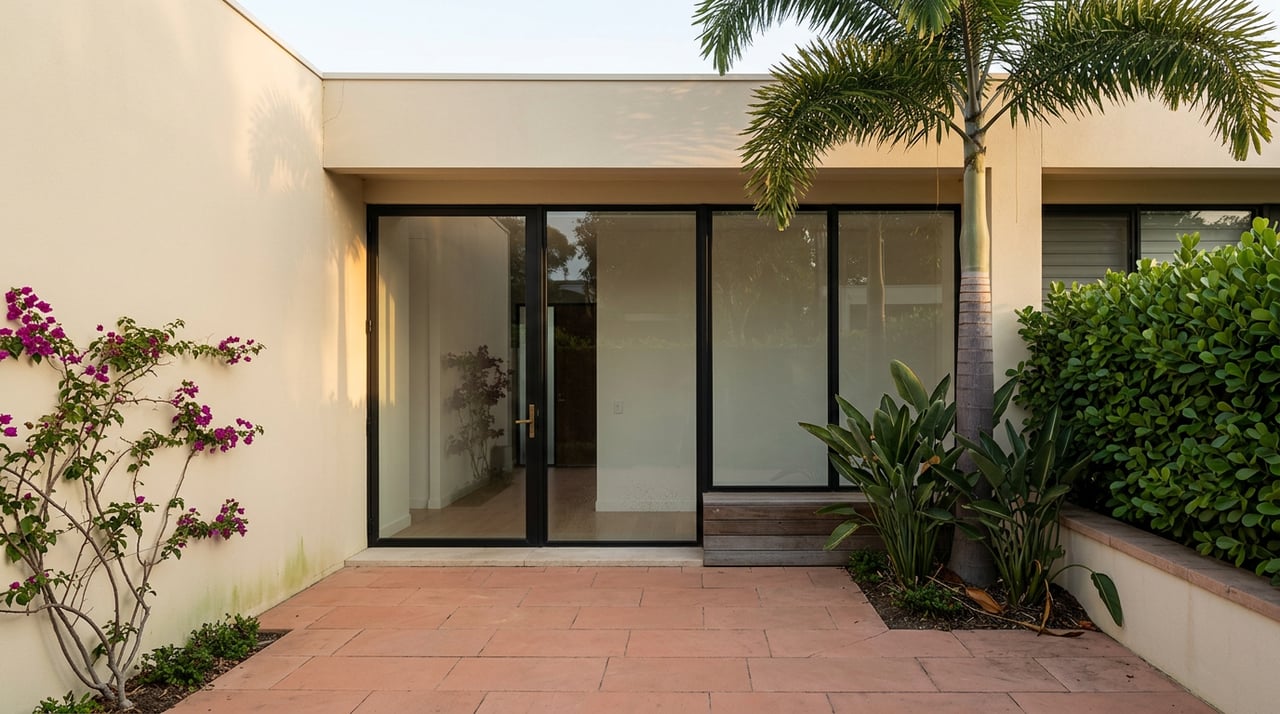
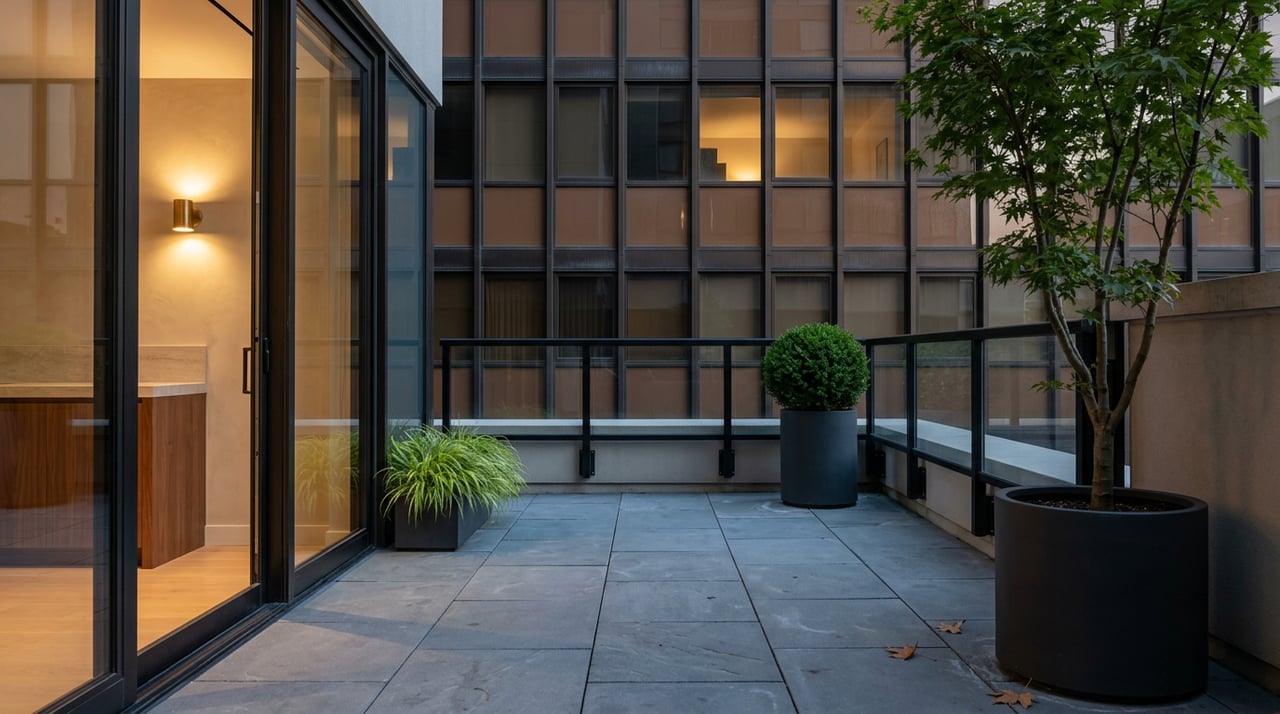
Boutique condos and condops in Gramercy deliver modern systems and a simpler ownership experience. Buildings typically range from small to mid-size and may include elevators, contemporary kitchens and baths, in-unit laundry, balconies or terraces, and curated roof or fitness amenities. They tend to cluster near Union Square and on redeveloped parcels close to transit.
Representative examples include small luxury projects like 355 East 19th Street and architecturally notable residences near Irving Place, such as 57 Irving Place. You will also find condops in the area, a legal structure that often functions like a condo in day-to-day practice.
Why buyers consider them
- Modern finishes with fewer immediate upgrades.
- Typically more flexible policies for subletting and resale compared to many co-ops.
- Streamlined approvals that can lead to a faster close.
Buyer fit
If you prefer turnkey living, outdoor space, and smoother approval processes, a boutique condo or condop may be the right move.
Post-war walk-ups and small doorman buildings
Beyond the blocks that ring the park, you will encounter mid-century elevator buildings, post-war walk-ups, and small doorman co-ops or condops. These often offer studios and one-bedrooms that trade ornate architectural detail for convenience, practical layouts, and value within the neighborhood’s larger price spectrum. They can be a smart entry point for a pied-à-terre or a first Manhattan purchase.
One well-known local example is Park Gramercy, a condop near the park that illustrates how some buildings blend condo-like policies with co-op frameworks. Buildings like this can be attractive if you want a central location without the stricter rules common in older co-ops.
Quick match: which style fits you
- Want formal rooms, classic detail, and a quiet, elegant setting? Choose a prewar co-op, ideally with park views or key rights. Confirm ceiling heights, layout flow, and board policies. See the classic six guide.
- Want outdoor space and a house-like feel? Explore townhouses and brownstones, especially along quieter side streets like the Block Beautiful stretch on East 19th Street. Confirm whether it is single-family, multi-unit, or a condo conversion.
- Want open space, high ceilings, and flexibility for a home office or studio? Look near the Flatiron and Union Square edges for loft conversions or loft-like plans.
- Want modern systems, amenities, and simpler approvals? Consider boutique condos or condops, including projects around Irving Place and Union Square. For context on ownership differences, review co-op vs condo basics.
What to verify before you fall in love
- Park key status. Does the address convey access to Gramercy Park, and what are the terms? Start with this CityRealty guide to park keys and confirm with building management.
- Ownership type and rules. Is it a co-op, condo, condop, or a rental building? Policies will affect financing, renovations, subletting, and time to close. The co-op vs condo primer is a helpful starting point.
- Mechanical and amenity facts. Confirm in-unit laundry, HVAC, storage, roof access, and any special services through official building materials or management.
- Current comparables. Refresh active and recent listings on the same block or in the same building on the day you make decisions. Inventory and pricing move quickly in Manhattan.
The feel of daily life
Living in Gramercy means a quieter cadence within steps of the city’s energy. Side streets feel residential and leafy, while Park Avenue South and nearby Union Square offer dining, shopping, and transit convenience. You can start mornings with a calm walk beneath mature trees, then reach Midtown or Downtown in minutes.
If you land a home that includes a park key, weekend rituals may include reading under tall elms or meeting a neighbor on a secluded bench. Without a key, you still benefit from the neighborhood’s scale, beauty, and the graceful architecture that has made Gramercy a timeless Manhattan address.
Ready to explore options that match your life and timeline? Arrange a discreet tour of classic co-ops, townhouses, lofts, or boutique condos with Lauren Mitinas-Kelly | Limitless LMK. We offer curated on- and off-market access with white-glove guidance from search to close.
FAQs
Who gets a key to Gramercy Park and how does access work?
- Keys are limited to eligible buildings and certain member clubs, managed by the park trust; always verify an address’s key status and terms using resources like this CityRealty overview and the building’s management.
Are most Gramercy homes co-ops or condos?
- Many historic buildings near the park are co-ops, while boutique condos and condops cluster toward the neighborhood’s edges; learn more about the area on the Gramercy Park page and always confirm a building’s legal type.
What is a “classic six” in a Gramercy prewar?
- A classic six typically includes a living room, dining room, kitchen, two bedrooms, and a smaller service or office room, often with gracious proportions; see this clear definition.
How do co-op and condo approvals differ for buyers?
- Co-ops usually require board packages and interviews and may limit subletting, while condos generally offer a more streamlined, flexible process; review this co-op vs condo guide.
Where do I find loft-style homes in or near Gramercy?
- Look to the edges near Flatiron and Union Square, especially along Park Avenue South, where former commercial buildings and adaptive reuse projects offer open plans and high ceilings.
Do any Gramercy buildings have condo-like rules without being condos?
- Yes, some condops function with condo-like flexibility on approvals and subletting; confirm building-specific policies through the managing agent and official documents.