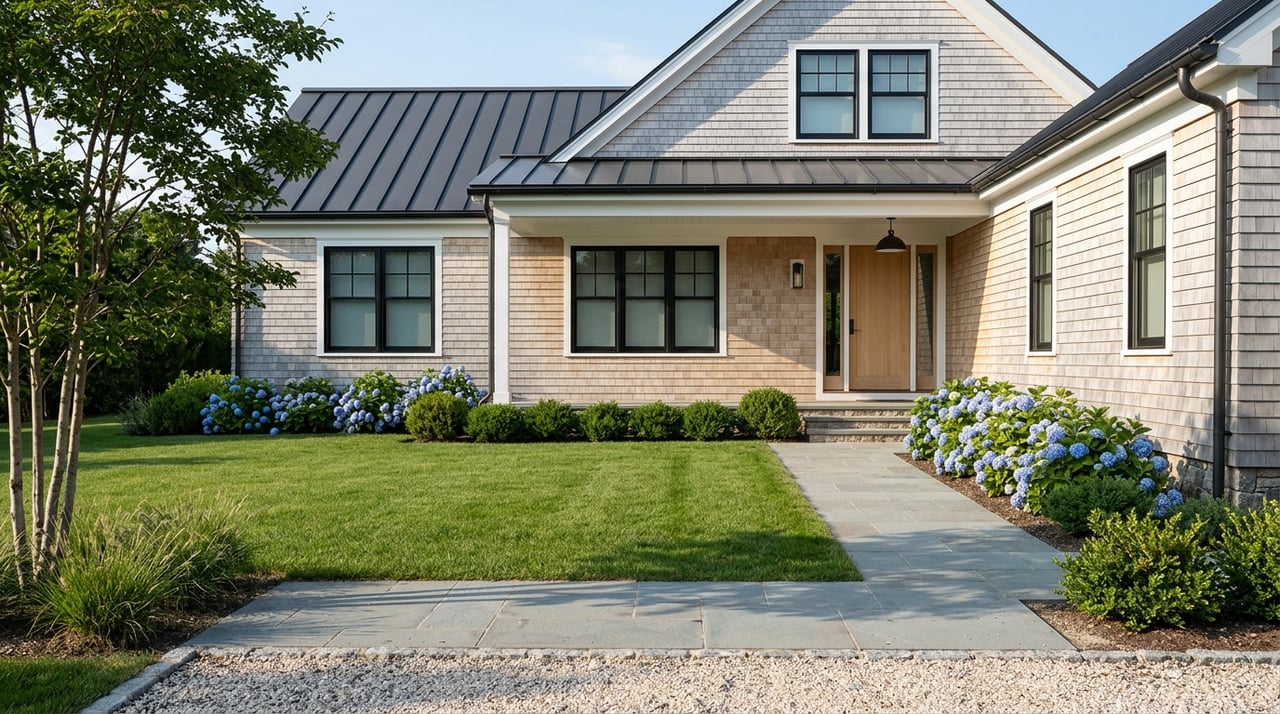
You are not just buying a house in the Hamptons. You are choosing a rhythm for your weekends, summers, and long-term lifestyle. If you are searching for a second home, the biggest decision often is not the property itself, but the address and the daily experience that comes with it. This guide will help you understand how to read the Hamptons by enclave, what practical filters matter most, and how to narrow in on the right fit with confidence. Let’s dive in.
Why address matters first
In the Hamptons, one ZIP code can still contain very different ways of living. Some addresses revolve around a walkable village core, while others are defined by ocean beaches, marinas, or larger lots on quieter roads.
That distinction matters when you are buying a second home. Your ideal address should support how you actually plan to spend time here, whether that means beach mornings, boating afternoons, village dinners, or a more private inland setting.
For buyers considering 11937, it helps to know that this is the East Hampton Village ZIP code, with Village Hall located on Main Street. It is one of the most recognizable addresses on the East End, but it is still only one part of the broader Hamptons map.
Read the Hamptons by enclave
The Hamptons are best understood as a group of distinct enclaves rather than one single market. Official beach systems alone show how segmented the region can be.
East Hampton Town groups its beaches by hamlet, East Hampton Village operates its own beach permit system, and Southampton Town manages a separate set of town beaches with rules that do not automatically apply to village or county beaches. For a second-home buyer, that means lifestyle is highly local and often highly specific to your address.
East Hampton Village living
Beach access and village structure
East Hampton Village offers one of the most organized village settings in the Hamptons. Its beach system includes Main Beach, Georgica Beach, Wiborg Beach, Egypt Beach, and Two Mile Hollow Beach, and the village requires separate beach parking permits for those locations.
The village also restricts vehicles from village beaches during daytime hours in season. That structure helps create a more pedestrian-oriented and intentionally managed environment, which many second-home buyers find appealing.
Historic setting and preservation
East Hampton Village also places a strong emphasis on preservation. According to the village, it has four historic districts, and exterior changes to properties in those districts generally require a Certificate of Appropriateness.
If you are drawn to a refined setting with architectural character and a well-defined village core, this can be a meaningful advantage. It also means buyers should understand that ownership here may come with added review requirements for future exterior work.
Other Hamptons enclaves to know
Southampton Village
Southampton Village is often associated with classic village life and a broad beach lineup. The village reports roughly seven miles of oceanfront and eleven individual beaches, with Coopers Beach serving as the main beach and offering bathrooms, showers, concessions, and chair and umbrella rentals.
For a second-home buyer, Southampton Village can suit a lifestyle centered on a village setting with easy access to established beach amenities. It is worth noting that access and use can vary by beach, even within the village itself.
Sag Harbor
If boating is central to how you want to use your second home, Sag Harbor stands out. The village notes that its marina and mooring season runs from April 1 through October 31, with services that include potable water in the mooring field, free pump-out service, and close proximity to shops, restaurants, and public bus transportation.
Sag Harbor also offers a compact, historic harbor setting. The Sag Harbor Historical Museum highlights the village’s whaling history and preserved historic buildings, which gives the area a different feel from the more beach-centered parts of the East End.
Amagansett
Amagansett is often a strong fit for buyers who want a beach-first lifestyle with useful local infrastructure. East Hampton Town includes Indian Wells, Atlantic Avenue, Fresh Pond, Little Albert's Landing, Lazy Point, and Napeague Lane among the hamlet’s beach options.
The town also notes that Amagansett has civic resources such as a public library, post office, school, LIRR access, and Suffolk County bus links. That combination can make it feel more self-contained than buyers initially expect.
Bridgehampton, Water Mill, and Wainscott
If you want more land, more privacy, and a less village-centered setting, these inland-plus-beach areas deserve a close look. Southampton Town describes Bridgehampton as having rural character, historic buildings, farmland, open space, and residential areas with large lots and established trees.
The same town profile describes Water Mill as primarily agricultural and residential, with large homes on large lots set back from narrow countryside roads. Wainscott also retains an agrarian edge while still offering direct ocean access, making all three areas worth considering if your second-home priority is space and a quieter streetscape.
Montauk
Montauk is the clear choice for buyers who picture a second home built around outdoor recreation. East Hampton Town lists Ditch Plains, South Edison, Gin Beach, Kirk Park, and Fort Pond Bay among Montauk’s beach options, while Hither Hills State Park offers an ocean beach, sport fishing, picnic areas, fireplaces, and campground access.
Montauk Point State Park also includes seasonal frameworks for surfing, night fishing permits, and beach-vehicle access. In practical terms, Montauk often feels less like a formal village address and more like an outdoor base with a distinct surf and fishing culture.
Match the address to your lifestyle
The fastest way to narrow your options is to start with how you want to spend your time. Buyers often make better decisions when they choose the enclave first and the house second.
Here is a simple way to think about it:
- Choose East Hampton Village if you want a controlled village core, notable beach access, and a strong preservation framework.
- Choose Southampton Village if you want a classic village setting with multiple beach choices and a well-known central beach experience.
- Choose Sag Harbor if boating, marina access, and a harbor-centered village are top priorities.
- Choose Amagansett if you want a beach-first environment with a lower-key feel and useful transit and civic infrastructure.
- Choose Bridgehampton, Water Mill, or Wainscott if you value larger lots, open land, and quieter roads while staying within reach of the beach.
- Choose Montauk if surfing, fishing, and state-park recreation define your ideal second-home routine.
Practical filters before you buy
Understand beach permit rules
One of the most important details for second-home buyers is that beach access is not universal across the East End. Southampton Town states that its beach permits are valid only for Town beaches and not for Coopers Beach or other village or county beaches.
That same principle applies elsewhere. East Hampton Village and East Hampton Town each operate separate beach systems with separate permit rules, so you should confirm what your preferred address actually gives you access to before you buy.
Think about your real beach routine
A beautiful address is only part of the equation. You should also think through which beach you are likely to use most often, how you plan to get there, and whether your routine depends on parking, walking, or seasonal permits.
Southampton Town also notes that some daily-parking beaches use a mobile pay app, including Flying Point in Water Mill and Mecox in Bridgehampton. Small details like that can shape the convenience of everyday second-home use more than buyers expect.
Prioritize boating or surf access early
If boating matters most, begin with Sag Harbor. Its official harbor system is structured around a defined season and clear marina services, which gives boating buyers a strong practical framework.
If surfing or fishing is the priority, start with Montauk and review East Hampton Town and state park rules carefully. Permit systems and access rules are part of the lifestyle there, not just minor details.
Home styles and streetscapes
Architecture can also help point you toward the right address. East Hampton has one of the strongest preservation frameworks on Long Island, and the town notes that its architectural heritage dates to colonial times, with styles that range from Colonial and Greek Revival to Victorian, Tudor, Georgian Revival, and modern forms.
Sag Harbor tends to feel more compact and older in character, with colonial homes and whaling-era buildings highlighted by the local historical museum. Bridgehampton and Water Mill, by contrast, tend to offer more open land, larger lots, and less dense streetscapes.
For many second-home buyers, this is where the search becomes clearer. You may be choosing not only between homes, but between a historic village experience, a harbor setting, a beach-centered hamlet, or a more estate-like inland environment.
A smart second-home strategy
The most effective Hamptons search usually starts with a lifestyle brief. Before you focus on finishes, square footage, or even price bands, define your preferred routine.
Ask yourself:
- Do you want to walk to a village center, or do you prefer privacy and space?
- Will you spend more time at ocean beaches, on the water, or exploring parks and outdoor recreation?
- Do you want a historically preserved setting, or are you looking for a quieter road with larger lots?
- Will permits, marina access, or daily beach logistics affect how often you use the home?
When you answer those questions honestly, the right Hamptons address usually starts to reveal itself.
If you are planning a second-home purchase and want a more tailored point of view on East Hampton Village, 11937, or the broader Hamptons market, Lauren Mitinas-Kelly | Limitless LMK offers discreet, founder-led guidance designed around how you want to live, not just what you want to buy.
FAQs
What does 11937 include in the Hamptons?
- 11937 is the East Hampton Village ZIP code, and East Hampton Village Hall is located on Main Street.
Why does beach permit access matter for Hamptons second-home buyers?
- Beach permits can be specific to Town or Village systems, so one permit does not automatically cover every beach you may want to use.
Is East Hampton Village a good fit for buyers who want walkable village life?
- East Hampton Village can be a strong fit if you want an organized village core, access to village beaches, and a setting shaped by historic preservation rules.
Which Hamptons area is best for boating as a second-home buyer?
- Sag Harbor is the most boating-oriented option in this guide because the village has a defined marina and mooring season with harbor services.
Which Hamptons areas offer larger lots and quieter roads?
- Bridgehampton, Water Mill, and Wainscott are often the best fit for buyers looking for larger lots, open land, and a more private setting within reach of beach access.
Is Montauk better for surf and outdoor recreation than village-centered living?
- Montauk is generally the strongest match for buyers focused on surfing, fishing, and state-park recreation rather than a formal village-centered lifestyle.