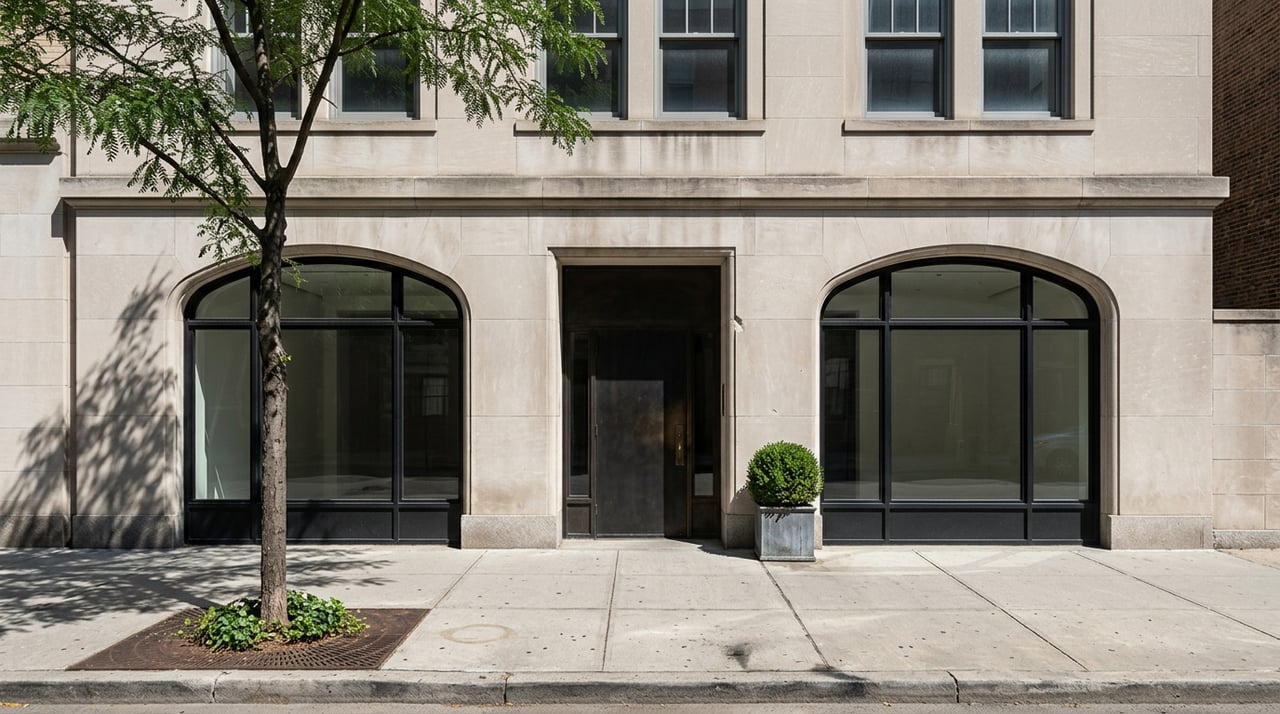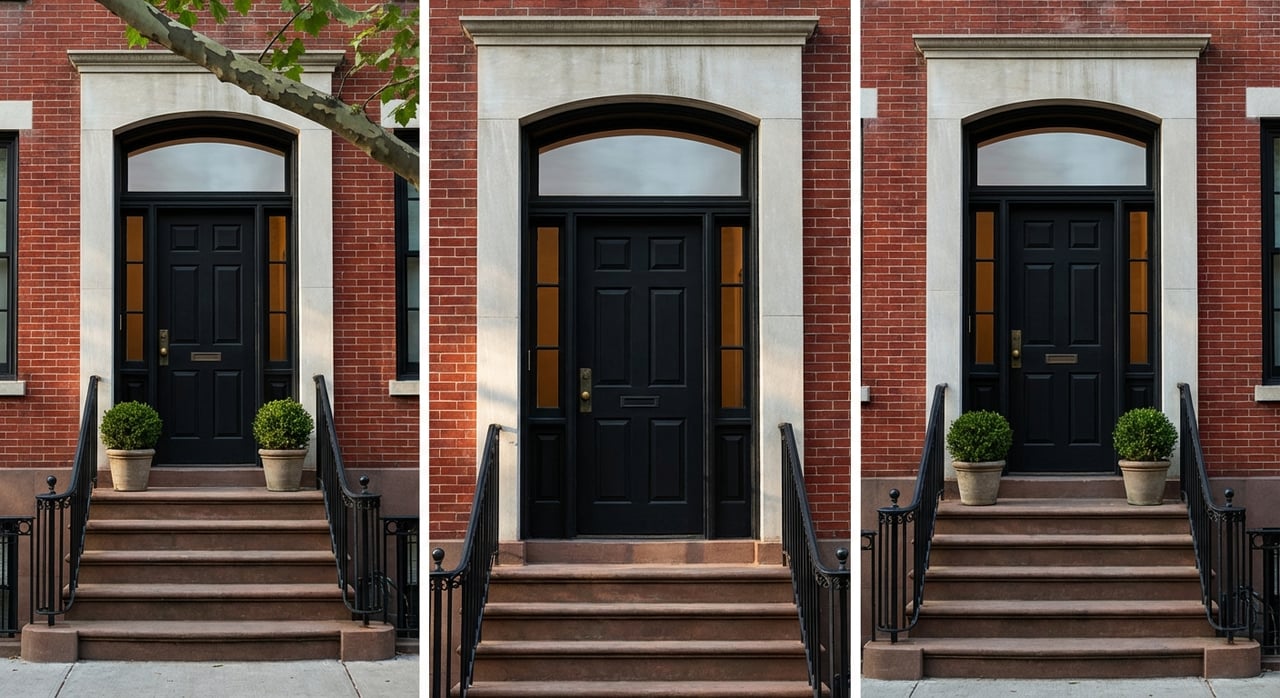
If you picture your ideal New York escape as a sunlit corner on a quiet, tree‑lined block steps from dinner and jazz, the West Village is hard to beat. You want charm, discretion and an easy lock‑and‑leave routine without surprises from boards, rules or taxes. In this guide, you’ll learn how to choose the right building type, navigate board policies, understand city rules and budget the true carrying costs for a West Village pied‑à‑terre. Let’s dive in.
Why choose the West Village
Lifestyle snapshot
You get intimate, low‑rise streets, historic brownstones and a walkable grid filled with dining and culture. The neighborhood includes national landmarks like the Stonewall National Monument and Christopher Park, which anchor a rich local history and public green space. Hudson River Park sits a few blocks west, so morning runs and sunset walks are easy. This mix creates a compact base where you can arrive, unwind and step out to dinner within minutes. Learn more about the area’s cultural heart at the Stonewall National Monument.
Street‑by‑street feel
- Bleecker Street and Greenwich Avenue: the retail and restaurant spine with lively evenings. For energy and access, it is excellent, though closer blocks can feel busier. For a flavor of the scene, explore this West Village guide.
- Christopher Street, Grove and West 4th: cultural and historic corridor near Christopher Park and Stonewall, with steady foot traffic during events.
- Perry, Bank, Grove and West 10th/11th: quieter, townhouse‑lined side streets that read residential and low‑key.
- Hudson River Park and waterfront blocks: newer condos with services and views. You trade higher monthly charges and a bit more distance to the Bleecker strip for amenities and outlooks.
Pick the right building type
Co‑ops: rules and approvals
In a co‑op, you buy shares plus a proprietary lease. A volunteer board reviews your application and can restrict use. Many co‑ops either do not permit pieds‑à‑terre or allow them only with conditions, such as higher post‑closing reserves or guest limits. Expect a document‑heavy process, an interview, and longer timelines. Review the proprietary lease, house rules and recent board minutes before you bid. For a clear overview of board dynamics, see this guide to co‑op board approvals.
Condos: flexibility and costs
Condominiums are generally more permissive for second‑home use and longer‑term rentals. Boards cannot usually veto a sale, which tends to speed closings. Closing costs are typically higher than co‑ops because condo buyers often pay title insurance and mortgage recording tax when financing. You will still need to follow guest policies and house rules, especially in boutique buildings.
Townhouses and brownstones: control and upkeep
A single‑family or small multi‑family townhouse gives you maximum control over use and privacy. You avoid board rules entirely. Carrying costs and maintenance are yours, and landmark or zoning rules can limit exterior changes. If you value autonomy and quiet, this route can be compelling.
Sponsor units and new development
Newer condo buildings near the river or on larger sites tend to offer doorman service, fitness centers and concierge features that suit low‑maintenance ownership. Pricing and common charges can be higher, and you should review offering plans and any sponsor transfer rules. For a look at how amenity‑rich buildings appeal to pied‑à‑terre buyers, browse this overview of top buildings for pied‑à‑terre living.
Ownership vehicles and nonresident considerations
Some buildings restrict purchases by LLCs or trusts. Co‑ops are more likely to limit entity buyers. If you plan to buy under an entity or are a nonresident, confirm building policy and tax obligations early. A quick building rules check can prevent surprises later. Learn what boards review in this co‑op approval guide.
What NYC rules mean for use
Short‑term rentals are restricted
If part of your plan involves occasional rentals, understand Local Law 18. New York City requires short‑term rental registration and enforces strict “host‑present” rules for most apartment buildings. Entire‑unit rentals while you are away are often prohibited in Class A buildings, and the city maintains a Prohibited Buildings List. Read the city’s short‑term rental registration rules and see OSE’s latest enforcement and Prohibited Buildings updates before you factor rental income into your numbers.
Taxes at closing to budget
Two items matter at Manhattan closings. The NYC Real Property Transfer Tax applies to residential transfers at stepped rates. Review current thresholds on the Department of Finance site for exact figures. New York State also imposes a mansion tax on purchases of $1 million and up, plus progressive supplemental taxes at very high prices in the city. Your attorney can calculate exact amounts based on your contract price and financing. Start with the city’s RPTT overview and a primer on New York transfer and mansion taxes.
Financing and carrying costs
Second‑home lending basics
Lenders treat a second home or pied‑à‑terre as higher risk than a primary residence. Expect higher rates, tighter debt‑to‑income limits and stronger reserve requirements. Down payments commonly start around 10 to 20 percent, and many scenarios require 20 percent or more. A broker who knows New York second‑home and co‑op underwriting can save time. For market context, review this guide to second‑home mortgage rates and requirements.
Co‑op overlays to plan for
Even if a bank approves your loan, a co‑op board may require higher post‑closing liquidity or limit loan terms. Some boards ask buyers to show months of maintenance in reserve after closing. Verify lender requirements and board rules at the same time so your financing and board package align. See what boards typically request in this co‑op process overview.
Monthly costs to expect
Budget for monthly maintenance or common charges, real estate taxes, any building assessments, homeowners insurance, utilities and optional services like housekeeping. Special assessments can arise for capital projects. A practical approach is to stress‑test your budget at 10 to 20 percent above current statements to absorb increases.
Where to focus your search
Quiet side streets for calm
If your ideal routine is coffee, a few calls and a short walk to dinner, start with Perry, Bank, Grove and West 10th or 11th Streets. You will find prewar apartments and townhouse blocks with a residential feel. These streets balance charm and privacy.
Full‑service condos near the waterfront
If convenience features top your list, consider newer condos along Hudson Street and near Hudson River Park. Look for doorman, package handling and on‑site fitness. The tradeoff is higher common charges and a slightly longer walk to the core Bleecker shops.
Near dining and culture
If you value proximity to restaurants and nightlife, Bleecker Street and Greenwich Avenue put you close to the action. For cultural history and parkside people‑watching, the Christopher Street and Grove area near Christopher Park is central. For more neighborhood flavor, this West Village day guide gives a feel for local rhythm.
Your pre‑offer diligence checklist
Use this list before you make an offer. Many items are building‑specific and not negotiable.
- Documents to request immediately
- Co‑op: proprietary lease, bylaws, house rules, recent board minutes, the latest board package and any pied‑à‑terre or sublet policy. See what boards expect in this co‑op guide.
- Condo: declaration, bylaws, house rules, offering plan for new sponsor sales, and any rental or guest rules.
- Board and house‑rule items to verify
- Is pied‑à‑terre ownership permitted, limited or prohibited? Co‑ops often limit it. Reference: co‑op approval overview.
- Sublet policy, any minimum owner‑occupancy period, sublet caps and per‑sublet approvals.
- Are entity purchases allowed for LLCs or trusts? Many co‑ops restrict entities.
- Guest limits and whether the building is on the city’s Prohibited Buildings List. See OSE’s latest Local Law 18 updates.
- Building financial health
- Operating budget, reserve fund balance, recent and forecast assessments. Low reserves or major capital plans often point to future assessments. The co‑op diligence guide outlines what to request.
- Building mortgage terms and any pending litigation. Both affect future fees.
- Taxes and closing‑cost planning
- Ask counsel to estimate NYC RPTT, state transfer and mansion tax, and any mortgage recording tax for condos. Start with the city’s RPTT resource.
- Lending and liquidity tests
- Confirm your lender’s second‑home terms for LTV, DTI and reserves, and confirm any co‑op reserve requirements at the same time. See second‑home mortgage guidance.
- Usage logistics
- Guest registration procedures, package handling, parking options and elevator or move‑in rules. Many co‑ops require advance scheduling and fees.
- Short‑term rental risk
- If rental income is part of your plan, verify Local Law 18 registration, host‑present rules and whether the building is on the Prohibited Buildings List. Read the registration rules.
- Insurance and physical risk
- For waterfront or low‑elevation addresses, ask for FEMA or NYC flood maps and the building’s flood‑insurance history. Confirm whether your lender or building requires flood insurance and price premiums accordingly.
- Post‑offer items
- Confirm board‑package timing, co‑op interview expectations and approval timeline. If you negotiate any exceptions, get them in writing at contract signing. The co‑op approval primer explains typical steps.
Common red flags to avoid
- Bylaws that explicitly ban pieds‑à‑terre or entity ownership in co‑ops. That is often non‑negotiable and a clear deal‑stopper.
- Very high rental ratios if you want a quiet, residential feel. Heavy investor profiles can affect lender decisions and day‑to‑day experience.
- Weak reserve funds, large planned capital projects or pending litigation, which can lead to assessments.
- Buildings that appear on the city’s Prohibited Buildings List if you expected to operate short‑term rentals. Review OSE’s latest updates.
How we help you buy with confidence
You want a pied‑à‑terre that feels effortless the day you turn the key. Our team pairs discreet, founder‑led service with the scale of SERHANT. You get access to curated on‑ and off‑market options, clear guidance on co‑op and condo rules and a smooth close supported by trusted partners. We help you focus your search by street, building type and house rules so you invest in the right address the first time.
Ready to refine your West Village plan and see tailored listings? Arrange a conversation with Lauren Mitinas‑Kelly | Limitless LMK to align your wish list with the right buildings and timing.
FAQs
What should a West Village co‑op board expect from a pied‑à‑terre buyer?
- Most boards review financial strength and liquidity, references and clarity on how you will use the home, and many require an interview. See a primer on co‑op board approvals.
Can you use a West Village pied‑à‑terre for short‑term rentals like Airbnb?
- New York City’s Local Law 18 requires registration and enforces a host‑present rule in most buildings, which blocks many entire‑unit short stays. Review the registration rules.
What closing taxes do Manhattan buyers typically pay on a pied‑à‑terre?
- Expect the NYC Real Property Transfer Tax, and for purchases of $1 million or more, New York State’s mansion tax plus possible supplemental taxes. Start with the city’s RPTT overview and this state tax primer.
How much down payment is common for a second‑home mortgage in NYC?
- Lenders often require 10 to 20 percent down, and many scenarios need 20 percent or more, with tighter DTI and reserve rules than primary homes. See second‑home lending guidance.
Are townhouses better than condos for privacy in a part‑time home?
- Townhouses offer maximum control and privacy since there is no board, but you take on full maintenance and potential landmark limits. Condos offer services and simpler upkeep at higher common charges.
Do West Village condos usually allow Airbnb if the building permits rentals?
- Even if a condo’s bylaws allow some rentals, city rules still apply. Local Law 18 registration and host‑present rules limit most short‑term stays. Check building bylaws and the city’s Local Law 18 updates before you plan any rentals.