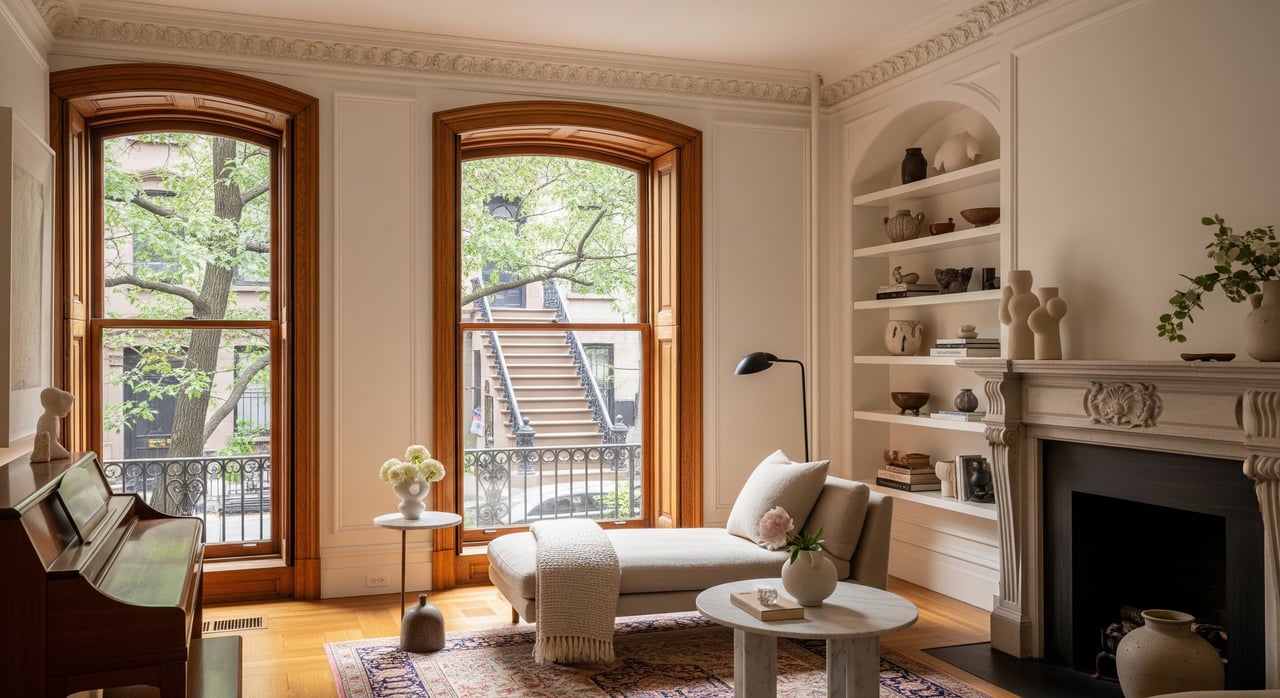
You step out to the stoop with a coffee and the city hums to life around you. Tree canopies filter soft light, a neighbor clips a leash for the morning dog walk, and the first crosstown bus sighs past. If you have ever pictured yourself living inside a classic Upper West Side brownstone, this is your everyday. You want beauty and history, but also practicality and rhythm. In this guide, you will see how these homes are laid out, how daily life actually unfolds, and what to consider if you plan to buy. Let’s dive in.
What makes a UWS brownstone special
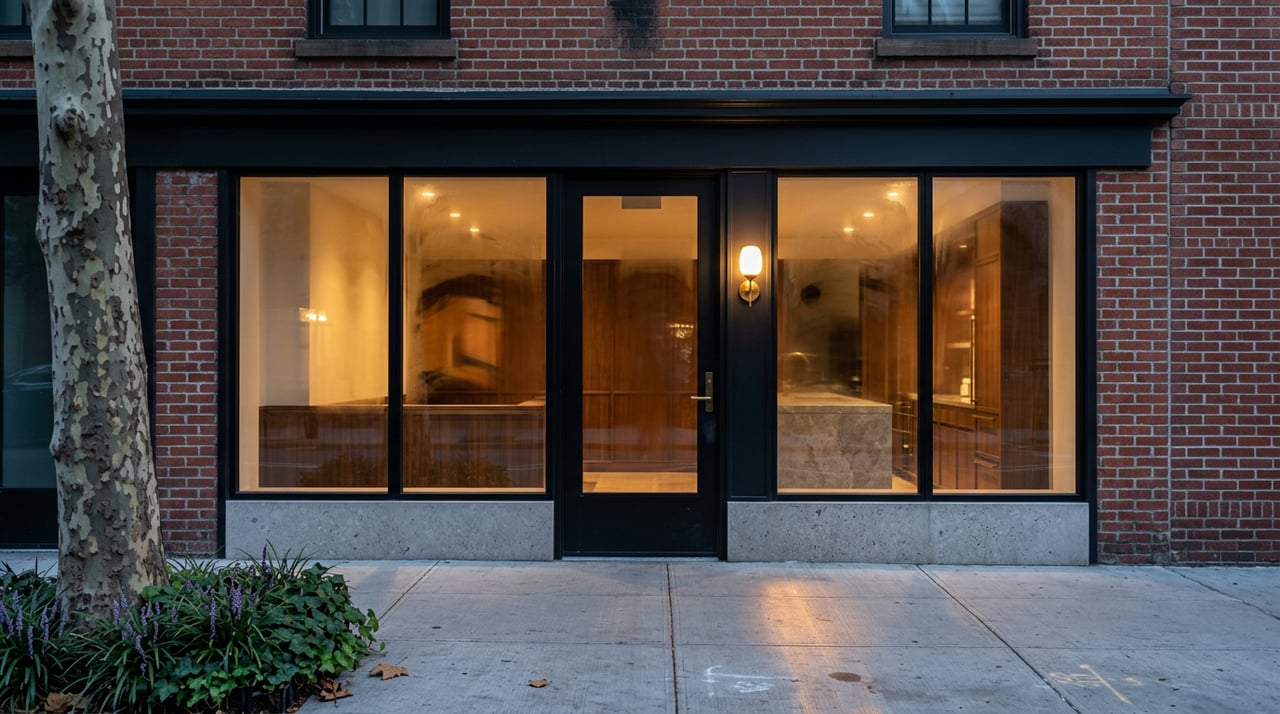
Walk a few blocks between Central Park and Riverside Park, from 59th to 110th Streets, and you see the core of the Upper West Side’s townhouse fabric. Many blocks fall inside landmarked historic districts that protect stoops, façades, and the street’s architectural character. If you plan any exterior work, you will navigate reviews and permits through the New York City Landmarks Preservation Commission.
Inside, classic details set the tone. The raised stoop brings you to the parlor level where ceilings often reach 10 to 12 feet. Tall windows pull in light, and original fireplaces and moldings add warmth. Rear yards, lightwells, and narrow lot widths shape how sunlight travels through the home. Corner brownstones get more natural light due to extra windows, while mid-block homes feel more sheltered and continuous with the row.
Brownstone is also a material. The weathered sandstone that gives these homes their name needs care over time. Thoughtful maintenance and repointing keep façades healthy and safe. If you are planning repairs, the National Park Service Technical Preservation Services offers clear guidance on historic masonry and best practices.
Inside the layout: How you use the space
The parlor level
This is the social heart. In a more original layout, you step into a front reception room and then a rear dining room. In modern renovations, walls often come down to create an open kitchen-living-dining flow, sometimes with large doors to the garden. Either way, the parlor is where light, ceilings, and craft come together.
Upper floors and bedrooms
Two or more floors above the parlor usually hold bedrooms and quiet spaces. The vertical separation creates a natural privacy buffer. Parents or guests may take a full floor, and children or home offices can be one level up. The result is calm zones for sleep and work away from the main living area.
Garden-level daily life
When the kitchen sits on the garden level, your mornings feel easy. Groceries come straight in, and the backyard is only a few steps away. You also feel the seasons more closely. Garden levels can be cooler in summer, but lighting and humidity need attention. If an elevator is on your wish list, a garden-focused plan can be a strong base for accessibility.
Light, airflow, and daily rhythm
East-facing façades catch clear morning light in front rooms, while west-facing homes glow in the afternoon. Rear extensions and lot width affect how sunlight reaches the center of the home. Corner houses often enjoy cross-ventilation. On any block, windows, transoms, and doors balance privacy and brightness.
A day in the life on the Upper West Side
Morning rhythms
The stoop comes alive early. You trade a wave with a neighbor and then head to the subway with a quick stop at a café. Children in strollers, dogs, and cyclists all share the sidewalk ballet. If you live near Central Park, a jog or loop around the Reservoir can be your daily reset. You can plan your route and programs through NYC Parks’ Central Park page.
Midday habits
Errands and lunch happen within a few blocks. Specialty grocers, bakeries, and greenmarket stops keep your kitchen stocked. On quieter blocks, you hear birds more than traffic. On avenues, you feel the city’s energy at full stride. If you work from home, you can open the garden door for fresh air or take a quick walk under the trees to reset.
Evenings and weekends
Weeknights can be simple: cook in the parlor-level kitchen, host a small dinner, or try a new spot on Columbus or Amsterdam. For culture, Lincoln Center is close and draws audiences for music, dance, and film. See what is on through Lincoln Center. Weekends, you might go west to Riverside Park for river breezes and playgrounds or picnics. Explore programs and paths on the NYC Parks Riverside Park page.
Getting around: Transit and connectivity
The Upper West Side is a transit classic. The 1/2/3 lines run along Broadway, while the B/C lines run along Central Park West. Crosstown buses and growing bike lanes make it easy to move laterally to the East Side or to the river. For maps and service details, start with the MTA subway map.
Practical realities before you buy
Ownership types and how they feel
- Single-family townhouse: You control the full building. Privacy and flexibility are high, and so is the maintenance responsibility.
- Multi-family or owner-occupied with rentals: You can offset costs with rental income, but you add landlord duties and shared systems.
- Co-op or condo conversions: You get apartment-style ownership inside a townhouse shell. Building rules and governance shape your daily use.
Permits and preservation
Many UWS brownstones sit in historic districts. If you plan exterior changes like façade work, new windows, railings, or rooftop additions, you will likely need reviews and approvals. Some interior work also requires permits. The NYC Landmarks Preservation Commission outlines what needs approval and how to apply. Build time for reviews into your project plan.
Maintenance and modernization
Older systems, like plumbing, electrical, and heating, often need upgrades. Masonry façades need periodic repointing and waterproofing, and ironwork needs painting and care. For best practices on historic materials, the National Park Service preservation briefs are a useful starting point.
Access and mobility
Stoops and interior stairs shape daily life. If you want long-term accessibility, you can focus living spaces on the garden level, add handrails and lighting, or investigate an elevator retrofit. These projects can be complex and may need reviews in landmarked areas.
Taxes and classification
Townhouses can be classified as one- to three-family or as condo/co-op for tax purposes. Classification affects property taxes and should be verified. For definitions and guidance, review NYC Department of Finance property tax classes and speak with a qualified tax professional.
Outdoor space and approvals
Most homes offer a small front planting area, a rear yard for dining and play, and sometimes a roof terrace. Roof work or visible additions often require permits and landmark review. Plan early if you hope to add a deck, railings, or rooftop bulkhead.
Floorplan styles and lifestyle fit
Classic parlor plan
- What it is: A front reception room and a rear dining room on the parlor level, with a kitchen in a rear extension or on the garden level.
- How it lives: Formal dinners and quieter entertaining feel natural. The kitchen is more behind the scenes, and upstairs rooms remain private.
Open-plan parlor conversion
- What it is: A single flowing space with kitchen, dining, and living combined, often opening to the garden.
- How it lives: Cooking and conversation blend. Light travels farther, and you get clear sightlines to outdoor space.
Garden-level primary living
- What it is: The kitchen and main family room sit at the garden level, with bedrooms above.
- How it lives: Easy street access and simple indoor-outdoor movement. Pay attention to moisture control and lighting design.
Full-floor apartment conversions
- What it is: Each floor becomes a separate co-op or condo unit with a shared entry.
- How it lives: You enjoy townhouse charm with apartment convenience. Building rules and shared utilities guide your day-to-day.
Is a brownstone right for you?
You may want the texture of historic craft and the calm of tree-lined blocks, but you still need city access, culture, and smart space planning. If you enjoy stair-driven privacy, garden dinners, and a home that evolves with your routines, a brownstone can be a remarkable fit. If you prefer elevator access and single-level living, a full-service condominium may align better with your lifestyle.
When you are ready to explore, you want a trusted advisor who can surface the right blocks, preview design potential, and navigate permits and preservation. You also want an edge on rare inventory and off-market opportunities. For that, connect with Lauren Mitinas-Kelly | Limitless LMK for discreet guidance and curated options.
FAQs
What defines a UWS brownstone and where are they located?
- They are historic townhouses found mainly between 59th and 110th Streets from Central Park to the Hudson, often within protected districts overseen by the NYC Landmarks Preservation Commission.
How strict are renovation rules in Upper West Side historic districts?
- Exterior changes and some interior work often require LPC review and permits, so plan timelines and consult LPC guidance early.
How does transit access work for brownstone blocks on the UWS?
- The 1/2/3 lines run along Broadway and the B/C lines along Central Park West, with crosstown buses for east-west trips; see the MTA subway map.
What outdoor space can you expect with a UWS brownstone?
- Most have a stoop and small front garden, a rear yard for dining and play, and in some cases a roof terrace, which may require permits and landmark review.
What maintenance should I plan for with a historic brownstone?
- Budget for façade masonry care, ironwork, and modernization of plumbing, electrical, and HVAC; the NPS preservation briefs outline best practices.
How close are parks and cultural amenities to brownstone blocks?
- Central Park, Riverside Park, and Lincoln Center are nearby for recreation and arts; explore Central Park, Riverside Park, and Lincoln Center.