Co-ops or condos on the Upper East Side: which delivers the lifestyle and value you want? If you are weighing classic prewar charm against glossy new development, you are not alone. The good news is you can make a clear decision by focusing on a few practical comparisons. In this guide, you will learn how UES co-ops compete with new condos on price, monthly costs, financing, rules, amenities, and resale. Let’s dive in.
What defines each option
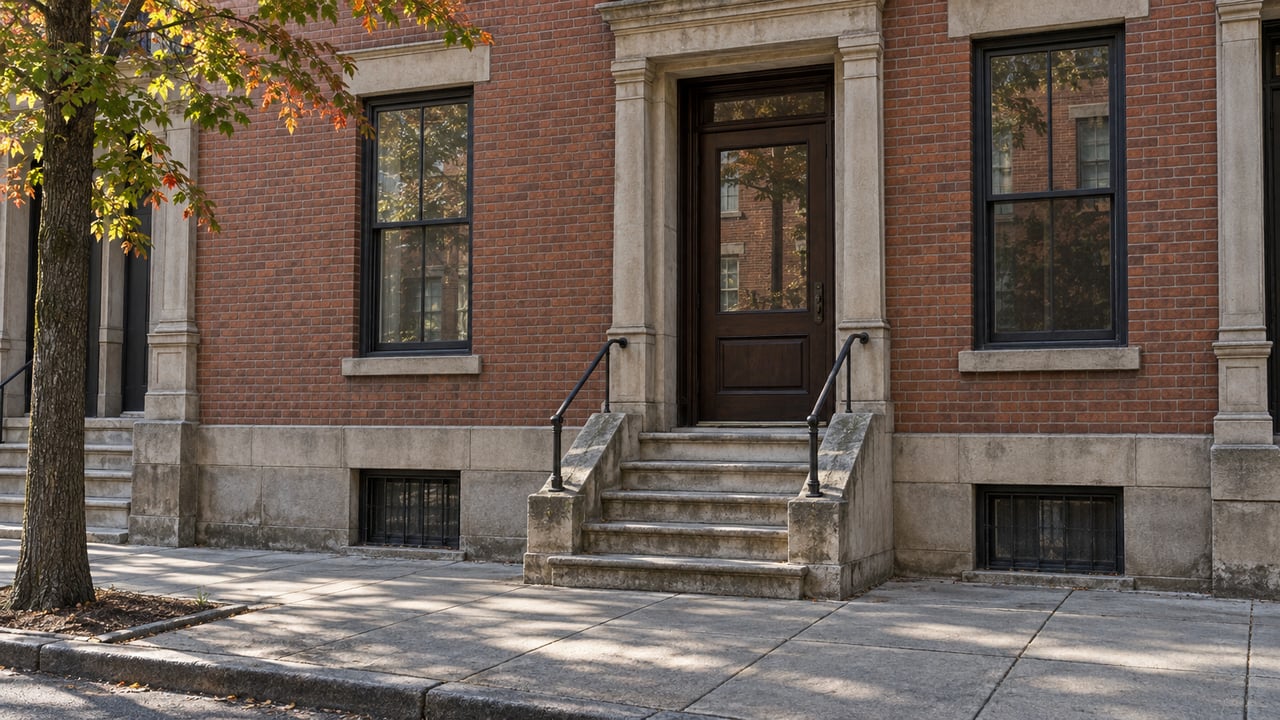
The Upper East Side has one of Manhattan’s deepest benches of prewar and midcentury co-ops. Many are full-service elevator buildings with doormen and larger floor plans. Turnover tends to be slower and owner-occupancy higher, which supports long-term stability.
Recent new construction often arrives as boutique infill or luxury towers that prioritize amenities and turnkey finishes. These condos draw buyers who want modern layouts, easier approvals, and more flexible ownership rules.
If you value community continuity and classic architecture, co-ops shine. If you prefer modern services, flexible use, and faster transactions, condos often lead.
Price and value: how to compare
Condos in Manhattan frequently command a higher price per square foot than co-ops. New buildings earn premiums for modern finishes, amenities, and the ownership structure that appeals to a wider buyer pool. Co-ops, in turn, often deliver more interior square footage for the same purchase price.
When you compare options, evaluate both price per square foot and how the layout lives day to day. Prewar apartments can include corridor or alcove areas that affect usable space. Modern condos often maximize usable square footage with open layouts.
A smart approach is to look at recent sold comparables for both property types within the UES and review distribution, not just the median. This paints a truer picture of value within each building style.
Monthly costs: what you actually pay
Monthly carry differs by ownership type and can be confusing if you only compare one line item.
- Co-ops: Maintenance typically bundles building operating costs, property taxes, and any underlying building mortgage into one monthly charge paid by shareholders.
- Condos: You pay common charges for building operations and amenities, plus your own property tax bill. Your total outlay is common charges plus property tax plus mortgage.
For an apples-to-apples view, calculate your effective monthly cost:
- Effective monthly cost = mortgage principal and interest + maintenance or common charges + property tax (if paid separately) + insurance + utilities.
Always confirm your personal tax treatment with a qualified advisor. Co-ops and condos may report taxes and mortgage interest differently, which can impact deductibility.
Financing and approvals
Financing and underwriting shape the buyer pool, your time to close, and resale liquidity.
- Co-ops commonly require larger down payments. Many buildings expect 20 to 50 percent down, conservative debt-to-income ratios, and strong post-closing liquidity. The board can set building-specific standards.
- Condos are typically easier for buyers using conventional or jumbo loans. They appeal to a broader buyer set, including investors and international purchasers, subject to lender and building guidelines.
Approval timelines also differ. Co-op purchases require a full board package, financial disclosures, references, and often an interview. Board approval can add weeks to your timeline and outcomes are discretionary. Condos generally request standard documents and may review purchasers, but approvals are typically faster and less discretionary, allowing closings in days to weeks once financing is clear.
Rules that affect daily life
Co-op boards actively govern building culture and use. Many co-ops restrict subletting, limit short-term rentals, and may set rules for renovations, pets, and pied-à-terre ownership. This can enhance stability for residents who want predictability.
Condos usually allow more flexible leasing and ownership structures. That flexibility can support investment use and simplify future rental plans, though bylaws vary by building.
Before you commit, review the building’s house rules and bylaws. Your personal plans for use, renovations, and future rental options should match the building’s governance.
Amenities and lifestyle
New UES condos emphasize modern amenity suites and services, such as fitness centers, roof terraces, smart-home integration, concierge-level services, parking, bike rooms, and private storage. The appeal is turnkey living in a contemporary environment.
Co-ops often trade amenity density for space, character, and community continuity. Many feature classic architectural details, generous room proportions, and established service staff. Some provide storage rooms, bike storage, and updated gyms, but the amenity mix is generally leaner than the newest towers.
Match the amenity package to your lifestyle and assign a personal value to what you will use often. A meaningful on-site gym or landscaped roof can be worth a premium if it replaces outside memberships or adds daily enjoyment.
Liquidity and resale
Condos are generally more liquid because they attract a wider buyer base and involve fewer discretionary approvals. This can support faster resales and more predictable pricing.
Co-ops may take longer to resell because of stricter board standards and a narrower buyer pool. That said, co-ops can capture buyers who prioritize space, classic style, and value in historic buildings. Strong building financials and well-run boards can support healthy resale outcomes over time.
When evaluating any building, review fundamentals like reserve funds, underlying building debt, flip taxes, owner-occupancy levels, and any history of special assessments. These factors influence stability, monthly costs, and buyer appetite.
Renovation realities
Scope and timeline are key. Co-ops often require detailed approvals for renovations, may limit work hours, and can restrict major changes. Older building systems may add cost for electrical, plumbing, or HVAC upgrades.
Condos typically provide clearer paths for interior updates, though you still must comply with building rules and city permits. Newer systems can simplify upgrades and reduce the risk of hidden costs.
If you plan to renovate, build time and approvals into your purchase calculus. Confirm what is allowed, required timelines, and any fees or deposits before you make an offer.
Side-by-side comparison
| Topic | UES Co-op | New Condo |
|---|---|---|
| Ownership & taxes | Shares in a corporation; taxes usually bundled in maintenance | Real property ownership; pay property taxes directly |
| Monthly charges | One maintenance payment that covers building costs, taxes, and any underlying mortgage | Common charges plus separate property tax bill |
| Financing norms | Often larger down payments and stricter ratios | Wider lender options and lower down payment possibilities |
| Approval timeline | Board package and interview; weeks to approval | Building review is limited; closings can move faster |
| Leasing & use | Subletting often restricted; pied-à-terre rules vary | Generally more flexible rental policies |
| Amenities | Often classic services with select amenities | Modern amenity suites and concierge-level services |
| Buyer profile | Long-term owner-occupants seeking space and community | Turnkey buyers and investors seeking flexibility |
A simple decision framework
Use this checklist to compare any two apartments on the UES.
- Compute effective monthly cost
- Mortgage payment + maintenance or common charges + property tax (if separate) + insurance + utilities.
- Compare value metrics
- Price per square foot and price per room using recent sold comparables in the same subarea and building type.
- Consider usable square footage versus listed size, especially in prewar layouts.
- Inspect building financials
- Co-op: maintenance history, reserve fund, underlying mortgage, flip tax policy, and any recent or upcoming assessments.
- Condo: reserve fund, operating budget, assessment history, and percentage of sponsor or investor-owned units.
- Confirm financing and timeline
- Typical down payment by building type and lender appetite. Estimate time to close based on approval process.
- Review rules that affect your plans
- Subletting, renovation approvals, pet policies, and any investor or short-term rental limitations.
- Value the amenity package
- Identify which amenities you will use and estimate the premium you are willing to pay.
- Weigh liquidity and exit
- Your time horizon, likelihood of renting, and need for faster resale should inform property type and building choice.
For UES sellers: how co-ops compete
If you are selling a co-op near new development, lean into real advantages buyers value.
- Space and scale. Highlight generous room sizes, ceiling heights, storage, and separation of public and private spaces.
- Classic character. Showcase moldings, millwork, original details, and updated kitchens or baths that respect the architecture.
- Community and stability. Note owner-occupancy, attentive management, and thoughtful building policies that support quiet enjoyment.
- Predictable ownership. Clarify what maintenance covers, the building’s reserve posture, and any smart capital improvements.
If you are selling a condo, anchor your marketing around turnkey living.
- New systems and finishes. Present the technology, energy efficiency, and design continuity of a recent build.
- Amenity-rich lifestyle. Elevate the services, wellness areas, outdoor spaces, and any hospitality elements.
- Flexible use cases. Clarify leasing rules and how they support various ownership needs over time.
Both sellers benefit from precise pricing that reflects real comparables, a crystal-clear cost of ownership narrative, and marketing that frames the apartment as a complete lifestyle.
The bottom line
On the Upper East Side, co-ops and new condos compete by serving different buyer priorities. Co-ops deliver space, character, and community with conservative governance. New condos deliver flexibility, speed, and amenity-driven living. Your best choice aligns with how you plan to live, finance, renovate, and eventually exit.
If you want a tailored short list and a transparent cost-of-ownership analysis, our team will curate options and run the numbers with you. To start a private conversation, connect with Lauren Mitinas-Kelly | Limitless LMK.
FAQs
Which costs more per month on the Upper East Side: a co-op or a condo?
- There is no universal answer. Co-op maintenance often looks higher because it includes property taxes and building debt, while condos separate common charges and taxes. Compare the full effective monthly cost.
Are Upper East Side co-ops harder to finance than condos?
- Co-ops typically require larger down payments and stricter debt-to-income and liquidity standards, while condos offer broader financing paths. Building-specific rules apply.
How do subletting rules differ between UES co-ops and condos?
- Many co-ops restrict subletting and set minimum owner-occupancy periods; condos tend to allow more flexible leasing. Always review the building’s bylaws.
Which resells faster on the UES: a co-op or a condo?
- Condos are generally more liquid because they attract a wider buyer pool and face fewer discretionary approvals. Co-ops can take longer to resell but appeal to buyers prioritizing space and value.
What should I check in a building’s financials before buying?
- Review reserves, underlying debt, recent or pending assessments, and any flip tax. These factors affect carrying costs, stability, and future resale.
How do renovation approvals differ between co-ops and condos?
- Co-ops often require detailed approvals and may limit work hours or scope, while condos typically have fewer constraints. Confirm permitted scope, timelines, and fees before making an offer.