What makes a Manhattan address feel luxurious once the novelty wears off? On the Upper West Side’s park blocks, the answer is often surprisingly practical: early access to green space, culture within a short walk, and a streetscape with lasting architectural character. If you are looking for a neighborhood that supports a polished daily rhythm rather than occasional spectacle, this is where the Upper West Side stands apart. Let’s dive in.
Park Blocks Shape Daily Life
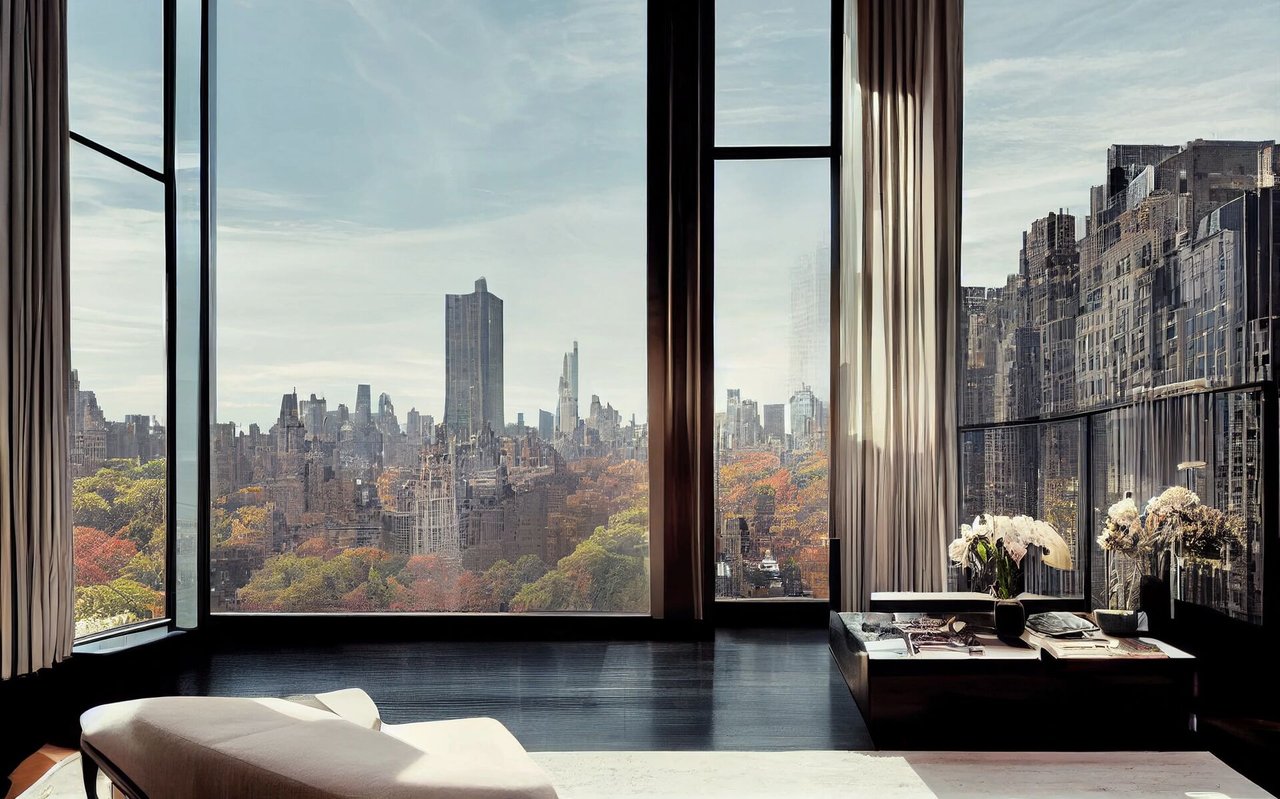
On the Upper West Side, proximity to parks is not just a visual perk. It functions more like part of your daily infrastructure, shaping how you move through the day from morning walks to late-evening resets.
Central Park runs from 59th Street to 110th Street between Fifth Avenue and Central Park West, while Riverside Park extends along Manhattan’s West Side from 59th Street to 181st Street. Together, they create an unusual amount of public green space for Manhattan living, especially for residents who value outdoor time as part of a regular routine.
Both parks keep generous daily hours. Central Park and Riverside Park are open from 6:00 a.m. to 1:00 a.m., which means your day can start early and end late without leaving the neighborhood’s green edge.
Central Park Offers Flexible Use
Central Park supports more than scenic walks. According to the Conservancy, visitors can access restrooms, dining, tours, family activities, digital guides, and visitor centers throughout the park.
That range matters because it makes the park easy to use in real life. Whether you are fitting in a quick morning loop, meeting friends, or planning a more relaxed afternoon, the park can support both structured and spontaneous time outdoors.
Riverside Park Extends the Lifestyle West
Riverside Park adds another layer to Upper West Side living. The Conservancy describes six miles of parkland with active recreation, playgrounds, pet-friendly spaces, monuments, points of interest, and restrooms.
For many residents, that means the neighborhood’s outdoor life is not concentrated in one place. You have a second major park corridor that supports walks, exercise, family time, and informal gathering across a broad stretch of the west side.
Lincoln Center Plaza Adds Civic Outdoor Space
The neighborhood’s open-air lifestyle does not stop at formal parkland. Lincoln Center’s 3.8-acre plaza system is open from 8:00 a.m. to midnight and is described as offering respite, greenery, shade, public art, and occasional outdoor performances.
That is part of what gives these blocks a polished, lived-in feel. Outdoor time here can mean a park path, but it can also mean a civic plaza that feels active, designed, and usable well into the evening.
A Neighborhood Built for Routine
Luxury on these blocks often looks like ease. You can move from breakfast to park time to dinner with very little friction, and that convenience is part of the appeal.
This is one of the Upper West Side’s defining strengths. The neighborhood offers a daily rhythm that feels established rather than manufactured, with long-running institutions and walkable destinations woven into the residential experience.
Morning Starts Close to Home
Levain Bakery’s Upper West Side location at 351 Amsterdam Avenue opens at 7:00 a.m. daily. Its own site points to the Museum of Natural History, Lincoln Center, and Riverside Park as nearby destinations, which speaks to how easily food, culture, and green space intersect here.
Zabar’s at 2245 Broadway remains one of the neighborhood’s enduring food anchors. Its offerings include bagels, bakery items, deli selections, smoked fish, coffee, cheese, pantry goods, and housewares, reinforcing the idea that many daily needs can be met within the neighborhood itself.
For buyers who value routine, that matters. A neighborhood becomes more compelling when it supports everyday errands and pleasures with the same confidence that it supports special occasions.
Legacy Dining Adds Character
The Upper West Side dining story is not only about what is new. Barney Greengrass, located at 541 Amsterdam Avenue, describes itself through its own reviews as an Upper West Side institution.
That kind of continuity helps shape the neighborhood’s sense of place. Long-standing businesses give the area a grounded, recognizable identity that many buyers find just as appealing as polished newness.
Evenings Stay Local and Easy
At the end of the day, the neighborhood still works in your favor. Jacob’s Pickles at 680 Columbus Avenue keeps late hours every day, and its site describes a place where locals gather for comfort food and community.
That detail supports a bigger point about lifestyle here. On these blocks, a good evening often means staying close to home and still having strong options, whether you want a casual dinner, a walk after dark, or time in one of the neighborhood’s public spaces.
Culture Lives Within the Block Radius
On the Upper West Side, culture is not reserved for special planning. It is built into the neighborhood map, often within a short walk or a quick transit connection.
That has a real impact on how the area feels. When major institutions are part of your normal surroundings, the neighborhood carries a sense of depth that extends beyond residential architecture alone.
Lincoln Center Defines the Southern Edge
Lincoln Center is one of the Upper West Side’s central cultural anchors. Its campus sits between West 62nd and 65th Streets and Columbus and Amsterdam Avenues, and its FAQ lists 11 resident organizations, including the Metropolitan Opera, New York City Ballet, New York Philharmonic, Jazz at Lincoln Center, Lincoln Center Theater, and the Juilliard School.
Its location and accessibility add to its day-to-day usefulness. The nearest accessible subway stations are West 66th Street on the 1 train and 59th Street-Columbus Circle on the A, B, C, D, or 1 trains.
The Museum Adds Another Landmark Presence
The American Museum of Natural History is another defining institution nearby. The museum’s campus was established on the west side of Central Park between West 77th and 81st Streets.
Its visit information notes access by the B or C train to 81st Street, the 1 train at Broadway and West 79th Street, and multiple bus lines including the M79, M7, M10, M11, M86, and M104. For residents, that means one of the city’s most recognized institutions is embedded directly into neighborhood life.
Seasonal Programming Keeps Things Active
Riverside Park contributes a more informal cultural layer. In April 2026, the Conservancy said Summer on the Hudson would return with more than 400 free events between West 59th and 181st Streets, covering music, movies, movement, nature, family activities, arts, culture, wellness, and education.
That kind of programming helps explain why the neighborhood often feels active beyond business hours, especially in warmer months. The result is a lifestyle that feels both established and animated.
Prewar Architecture Creates Lasting Character
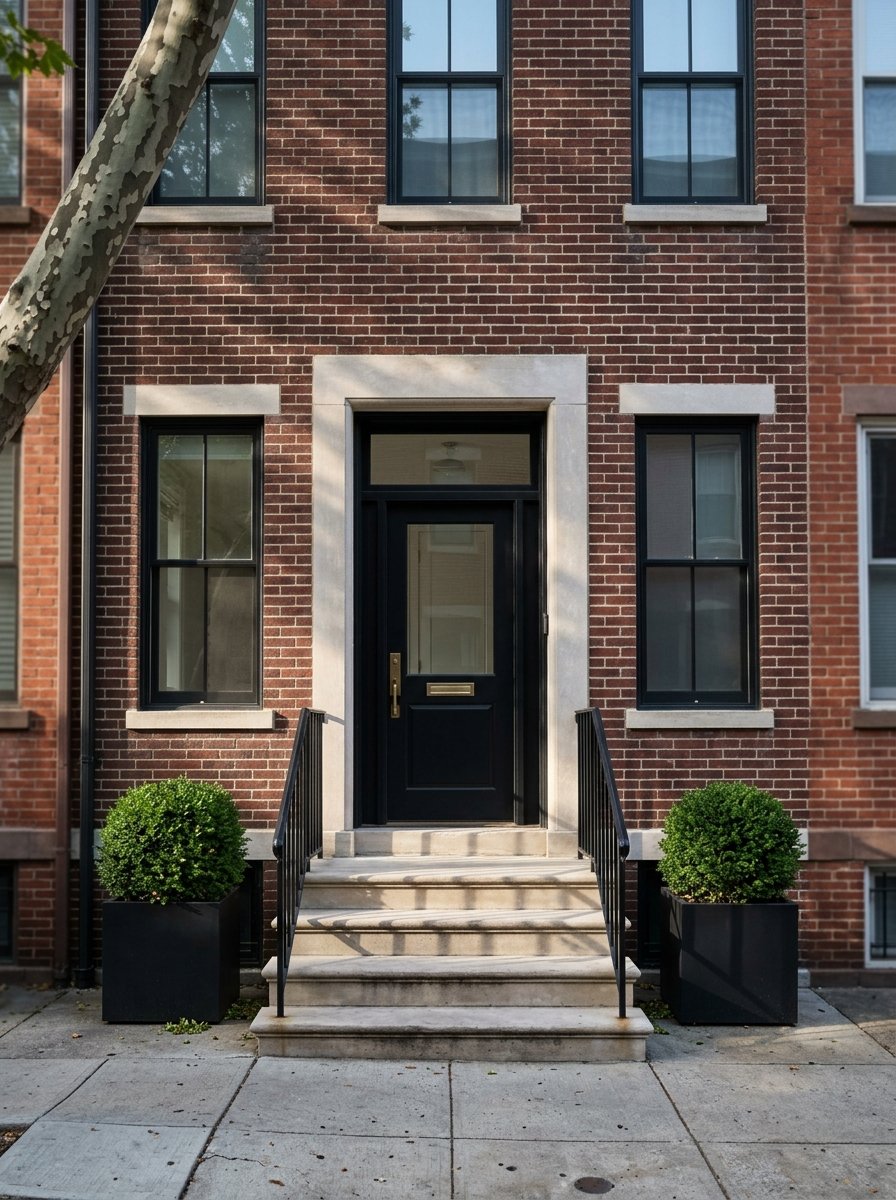
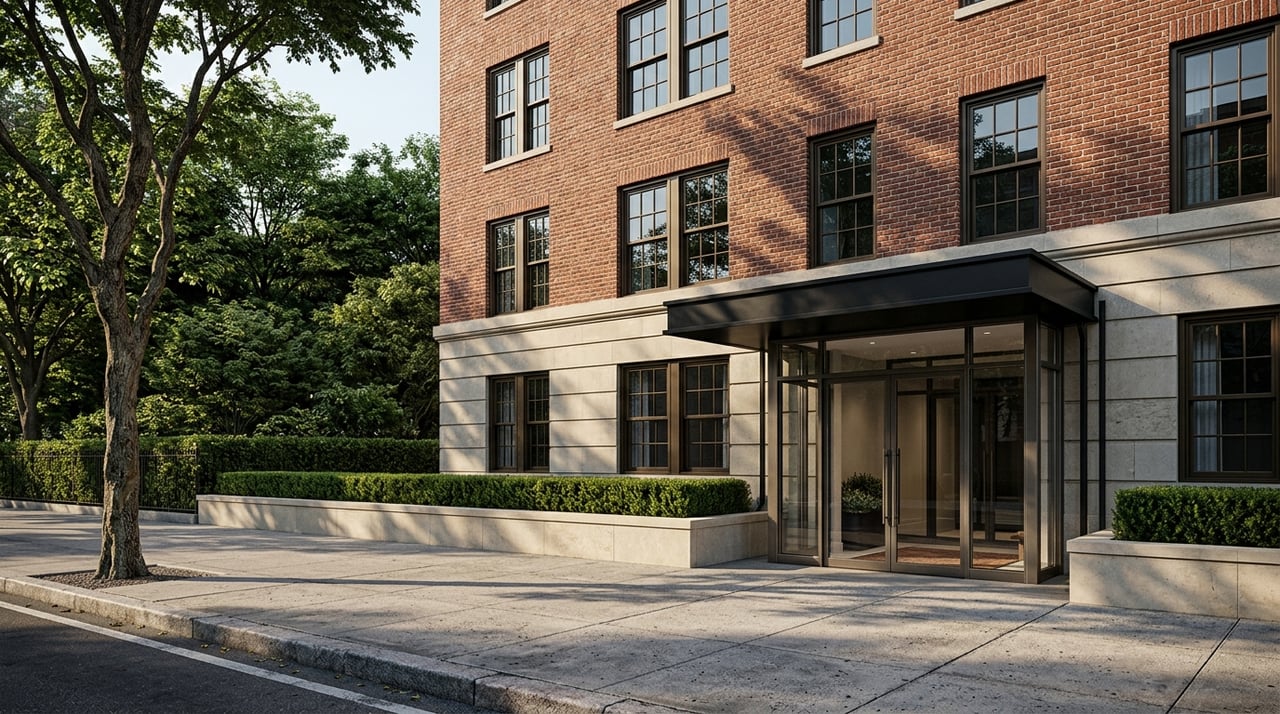
The Upper West Side’s park-adjacent housing story is deeply tied to prewar architecture and landmarked streetscapes. For many buyers, that visual consistency is a major part of the neighborhood’s appeal.
The Upper West Side/Central Park West Historic District covers a large portion of the park-adjacent core, especially around Central Park West and streets in the 60s through 90s. The designation materials show just how much of the area’s identity is shaped by protected historic fabric.
Landmark Design Supports Cohesion
The Landmarks Preservation Commission explains that buildings in a historic district are subject to review for alterations. In practical terms, that helps preserve the look and feel of the streetscape over time.
This is one reason the park blocks often feel so visually cohesive. Even as interiors, ownership structures, and building systems evolve, the overall architectural rhythm remains legible and intentional.
The Architecture Is Layered, Not Uniform
The neighborhood’s architecture is rich rather than repetitive. The designation materials and related documentation highlight examples such as The Langham, built in 1904 to 1907 with Beaux-Arts design and French and Italian Renaissance elements; The Kenilworth, built in 1906 to 1908 in the Beaux-Arts style; 101 Central Park West, built in 1929 to 1930 in a Neo-Renaissance style; and 295 Central Park West, built in 1940 to 1941 in the Art Moderne style.
The New-York Historical Society at 170 Central Park West adds another layer, with an Academic Classical design dating to 1903 to 1908. Together, these buildings help explain why the neighborhood feels architecturally textured rather than flat.
Why This Feels Like Everyday Luxury
The most accurate way to describe the Upper West Side’s park blocks is not flashy luxury. It is everyday luxury, grounded in access, beauty, and routine.
You have early and late park access, civic outdoor space at Lincoln Center, established dining, major cultural institutions, and a preserved prewar streetscape that gives the neighborhood visual continuity. That combination creates a kind of Manhattan living that feels elevated without trying too hard.
For buyers considering this part of the city, that distinction matters. The value here is not only what you own inside the home, but also how the neighborhood supports your life once you step outside your door.
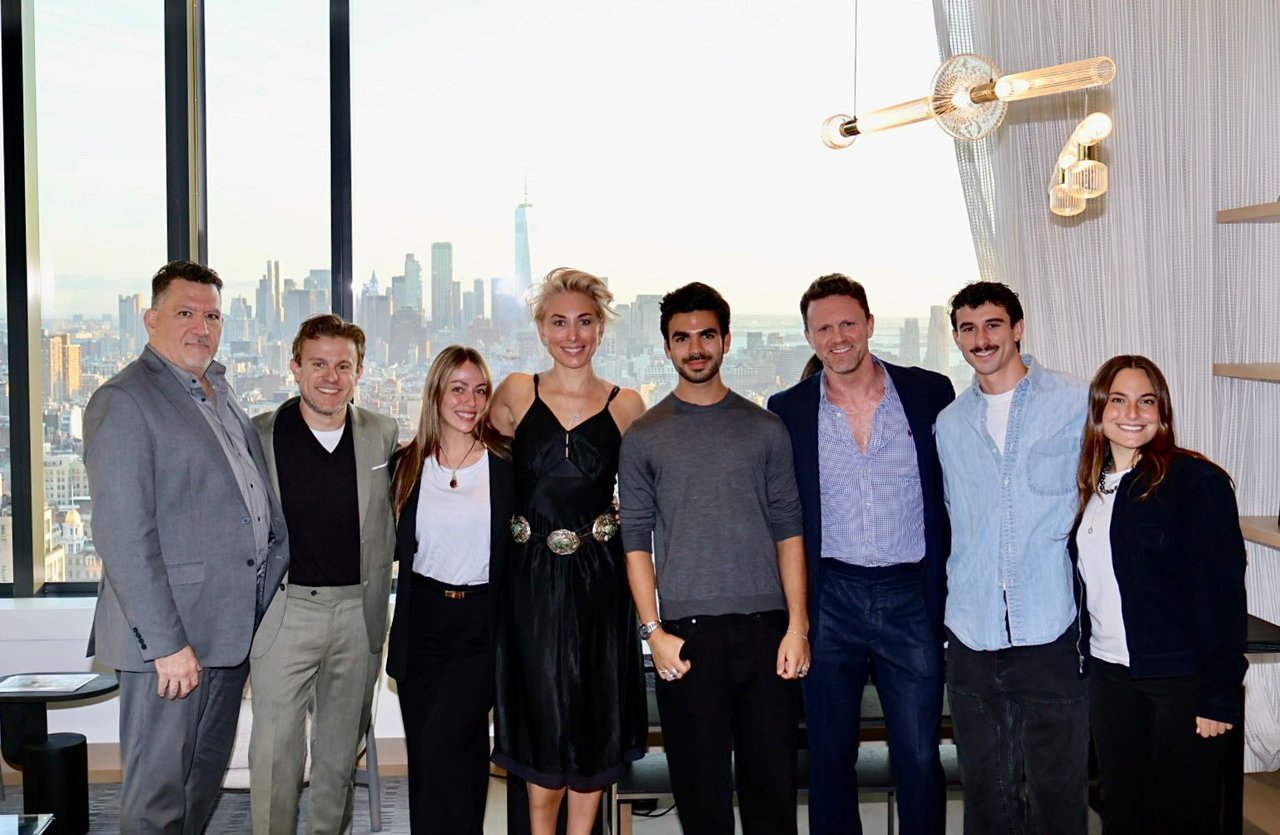
If you are exploring the Upper West Side and want a more tailored view of which park-adjacent blocks, building types, or off-market opportunities align with your goals, Lauren Mitinas-Kelly | Limitless LMK offers a discreet, highly curated approach to Manhattan real estate.
FAQs
What makes the Upper West Side park blocks feel luxurious?
- The appeal comes from daily access to Central Park, Riverside Park, Lincoln Center’s public plazas, major cultural institutions, and a cohesive prewar streetscape.
Where are the main parks near the Upper West Side park blocks?
- Central Park runs from 59th Street to 110th Street along Central Park West, and Riverside Park stretches from 59th Street to 181st Street along Manhattan’s West Side.
What are the park hours on the Upper West Side?
- Central Park and Riverside Park are both open daily from 6:00 a.m. to 1:00 a.m., while Lincoln Center’s plaza system is open from 8:00 a.m. to midnight.
What cultural landmarks define the Upper West Side?
- Key institutions include Lincoln Center, with 11 resident organizations, and the American Museum of Natural History near Central Park between West 77th and 81st Streets.
Why does Upper West Side architecture feel so cohesive?
- Much of the park-adjacent core sits within the Upper West Side/Central Park West Historic District, where alterations are subject to review, helping preserve the area’s architectural character.
What kind of daily lifestyle can you expect on the Upper West Side park blocks?
- A typical day can include neighborhood breakfast spots, time in Central Park or Riverside Park, nearby cultural destinations, and easy local dining in the evening.