Thinking about listing your SoHo or Tribeca loft and want the right number on day one? In markets where buyers pay for volume, light, and authenticity, a precise strategy makes the difference between strong interest and a stale listing. In this guide, you will see current price-per-foot bands, the features that command premiums, and a simple blueprint to set a confident list price. Let’s dive in.
Market snapshot: set expectations
Manhattan’s macro picture shapes buyer appetite for downtown lofts. Recent quarters show improving velocity, strong luxury activity, and a notable cash-buyer share in higher price bands, which supports well-positioned listings. You can ground your timing and pricing in the latest baseline from the Miller Samuel Q4 2025 Manhattan report. If you plan to list soon, confirm days on market and months of supply in the most recent quarter.
SoHo trading bands
SoHo is one of Manhattan’s higher price-per-foot loft markets. Building-level records show many authentic lofts above $1,500 per square foot, with top full-floor and penthouse product materially higher. Examples include a 2025 sale at 80 Wooster Street at roughly $1,551 per square foot, a recent building average near $3,243 per square foot at 459 West Broadway, and sales over $2,000 per square foot at 112 Prince Street. Together these illustrate a broad SoHo band with premium ceilings, windows, and scale pushing top-tier trades above $3,000 per square foot.
Tribeca trading bands
Tribeca lofts often show very strong totals with a different per-foot profile. Many turn-key two-bedroom lofts in classic conversions trade roughly between $1,300 and $1,700 per square foot, while large full-floor and penthouse lofts reach multi-million totals and can push higher on a per-foot basis. A representative example is 399 Washington Street at around $1,625 per square foot on recent activity. Use building-level comps to confirm where your loft sits inside this middle band and identify any premium features.
Timing and velocity
Improved late 2025 market velocity suggests well-prepared listings can move faster when they launch cleanly. Inventory and days-on-market vary by quarter, so check the latest Miller Samuel release before you fix your list date. If supply tightens, you may capture more of your premium features. If supply rises, a sharper initial price band can shorten time on market.
What counts as an authentic loft
Architectural hallmarks buyers pay for
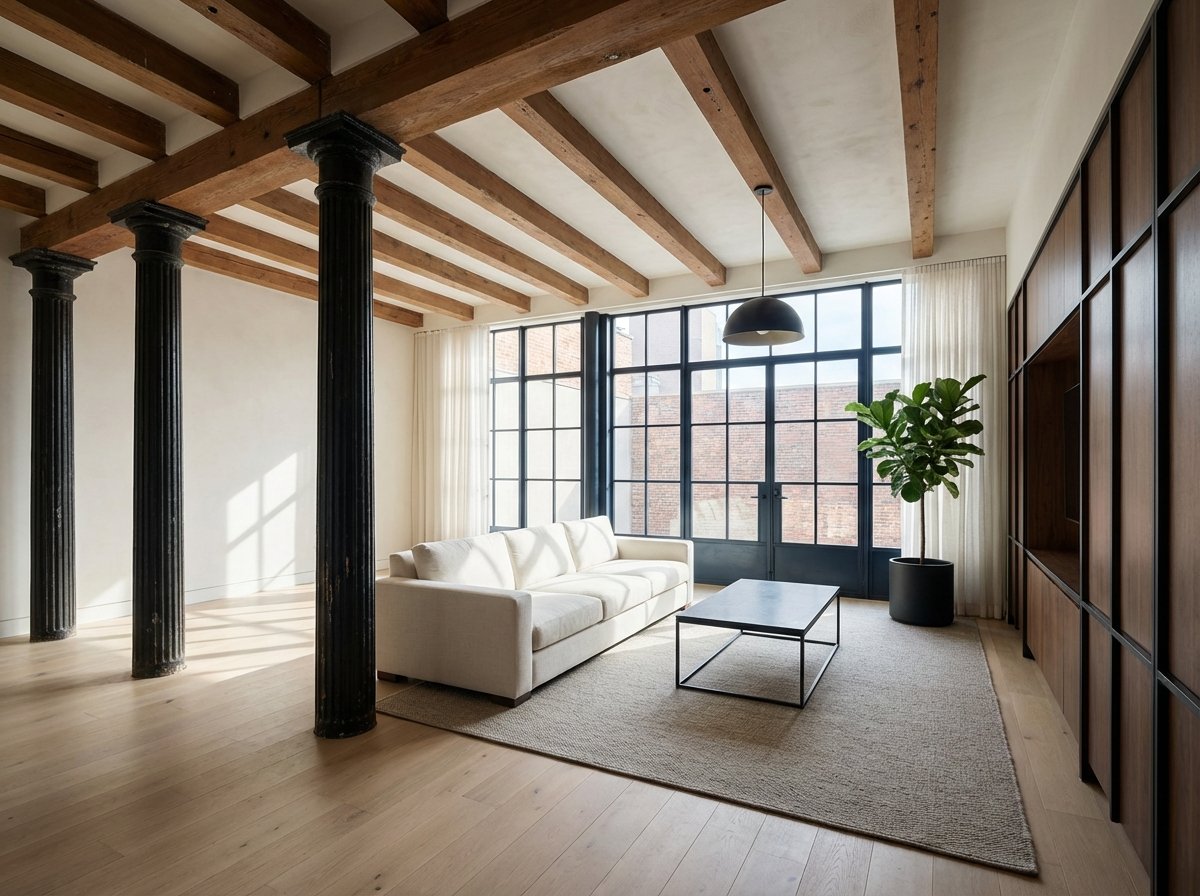
Authentic lofts have traits that are obvious the moment you enter: generous ceiling heights, large factory-style windows, wide bay or column spacing that unlocks flexible layouts, and open floor plates with minimal load-bearing partitions. Many cast-iron buildings also deliver full-floor footprints and an effortless volume that generic apartments cannot match. These attributes are consistently called out in listing narratives and building records for premium sales.
Legal status that affects value
“Loft” also has a legal meaning in New York. The Loft Law created the Interim Multiple Dwelling category and a Loft Board process that still governs some buildings and units. Before pricing, confirm Loft Board, Department of Buildings, and certificate-of-occupancy status because it affects marketability and financing. Start with the NYC Loft Board overview to understand registration and compliance.
Historic and zoning overlays in SoHo
SoHo sits within the Cast Iron Historic District, designated in 1973 and extended in 2010. The district preserves the envelope that buyers value, including consistent window rhythms and floor heights, and it guides what exterior changes are possible. For context on the district’s framework, see the SoHo Broadway Initiative overview.
SoHo/NoHo rezoning and JLWQA considerations
The 2021 SoHo/NoHo rezoning introduced conversion-fee questions and certification issues for Joint Live-Work Quarters for Artists in the rezoned area. Policy and litigation dynamics have created uncertainty around conversion costs and buyer demand for units that need occupancy changes. If your property may be affected, review current guidance from local coalitions and confirm your status with counsel. A helpful starting point is this SoHo/NoHo FAQ.
How to quantify loft premiums
Start with the sales-comparison approach
The most reliable way to price a loft is a tight, paired-sales comparison. Select very close comps, then adjust for specific differences in physical, legal, and economic features. Appraisal best practice emphasizes matched pairs within the same building or block so you isolate one feature at a time, documented in an adjustments grid. For methodology, reference the Appraisal Institute’s guidance in The Appraisal of Real Estate.
Feature adjustments that move the number
Ceiling height
- Why it matters: height drives volume, light, and a gallery feel. Many authentic loft listings cite 12 to 13 foot ceilings as a premium attribute. See how cast-iron conversions highlight this feature in records such as 541 Broadway.
- How to handle: use matched pairs when possible. There is no universal multiplier, but a 12-plus-foot ceiling often trades in a higher per-foot tier than a similar loft with 9 to 10 foot ceilings.
Column and bay spacing
- Why it matters: wider spacing creates flexible spans and more usable layouts, which increases perceived square footage.
- How to handle: describe the structural grid in your fact sheet and seek comps that isolate grid differences. Use qualitative adjustments supported by nearby sales when paired data is limited.
Windows, exposure, and light
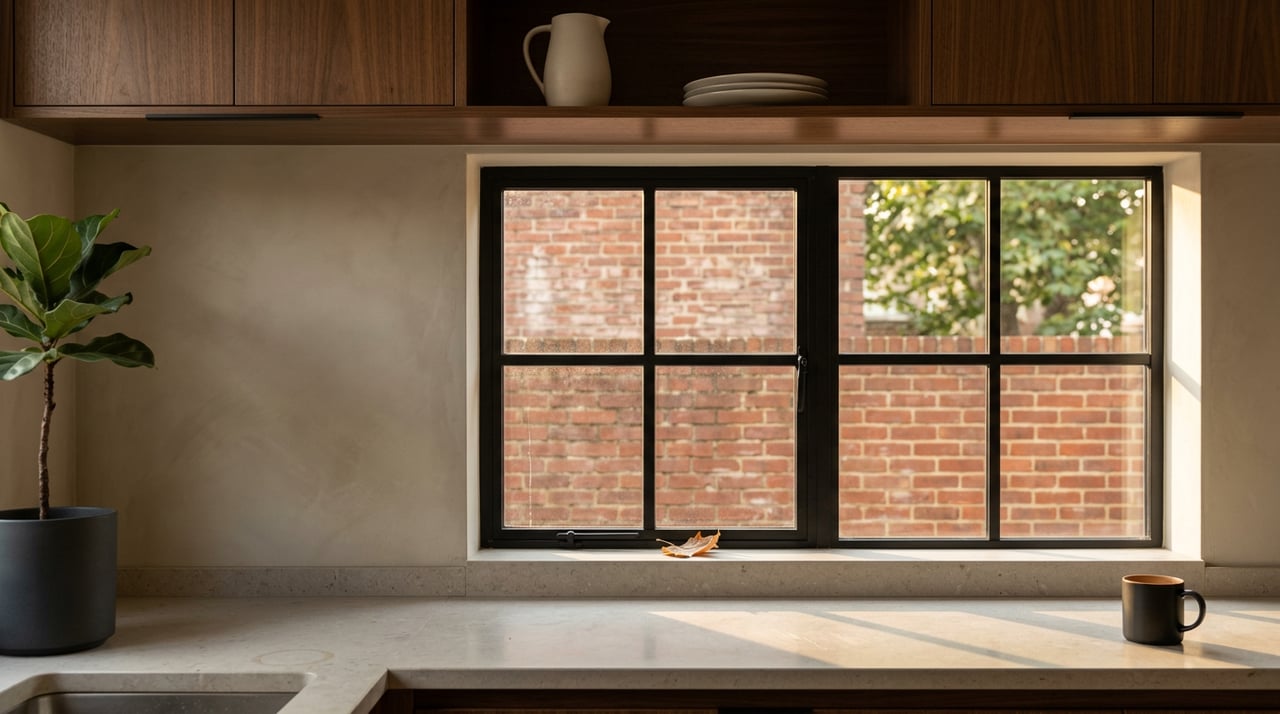
- Why it matters: large, multi-light windows and multiple exposures are among the most visible value drivers.
- How to handle: compare like-for-like on floor and finish. Corner and multi-exposure units commonly command higher per-foot pricing.
Private outdoor space
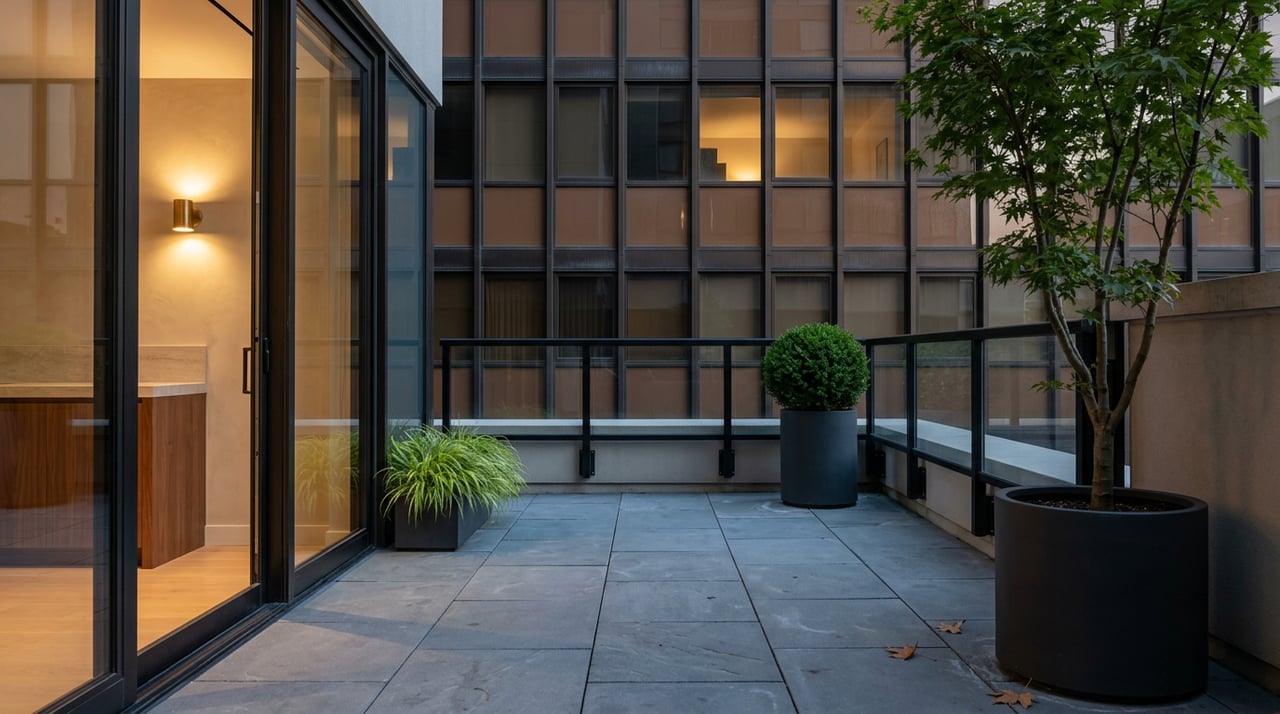
- Why it matters: terraces and roof decks are scarce and can justify large discrete premiums.
- How to handle: treat outdoor area as a separate commodity. Use comps with similar outdoor size, access, and view to estimate contributory value.
Building services and ownership form
- Why it matters: full-service condos and flexible ownership terms expand the buyer pool, while co-op restrictions can narrow it.
- How to handle: when you cannot comp within the same building, adjust using proximate sales and express the effect in dollars rather than a blanket percent.
Legal and occupancy status
- Why it matters: Loft Board registration, JLWQA restrictions, or outstanding conversion requirements can affect financing and days on market.
- How to handle: disclose status clearly with any exemptions or completed steps. Buyers pay for certainty.
A seller’s pricing blueprint
- Define your subject facts. Document ceiling height, bay dimensions, window sizes and exposures, outdoor square footage, elevator type, services, and carrying costs. Lead with numbers, not adjectives.
- Build a tight comp set. Prioritize same-building sales, then same block, same ownership type, and closest match on key loft features.
- Use paired-sales logic. Adjust one feature at a time and show how it moved your per-foot estimate. Keep a short grid in your memo.
- Confirm legal status. Pull Loft Board, DOB, and certificate-of-occupancy records. In SoHo/NoHo, note any JLWQA or conversion-fee exposure and whether you are exempt or already legalized.
- Frame a price band. Express a conservative, likely, and stretch target based on comps and feature premiums. Tie each target to a marketing time assumption.
- Launch with clarity. Present exact measurements and verified status in your marketing materials. Serious loft buyers respond to specificity.
- Monitor velocity. If the market is moving, set review points tied to inquiry volume and private showing feedback in week one and week three.
Quick checklist
- Verify Loft Board, DOB, and certificate-of-occupancy status.
- Measure and publish ceiling height, bay spacing, window sizes and exposure, and outdoor square footage.
- Specify services and ownership form, including policies that affect use.
- Select two to three same-building or same-block comps and note your adjustments.
- Flag any SoHo/NoHo rezoning or JLWQA issues and provide a brief status summary to buyers.
Data sources you can trust
- Miller Samuel and Douglas Elliman Manhattan reports for macro pricing, cash-buyer share, days on market, and months of supply.
- CityRealty building pages for per-foot histories and listing notes on authentic loft features.
- NYC Loft Board and DOB records for legal status and compliance.
- SoHo Broadway Initiative materials for the Cast Iron Historic District context.
- Local coalition FAQs for SoHo/NoHo rezoning background, then confirm details with counsel.
The bottom line
Authentic Tribeca and SoHo lofts are priced by proof: tight comps from the same building or block, measured premium features, and clear legal status. When you quantify what makes your loft rare and launch with a clean narrative, you protect value and shorten time on market. If you want a private, data-driven pricing plan tailored to your loft, connect with Lauren Mitinas-Kelly | Limitless LMK.
FAQs
How do I set price per foot for a SoHo loft?
- Start with same-building or same-block comps, then apply paired-sales adjustments for ceiling height, windows, outdoor space, services, and legal status.
What legal checks should SoHo or Tribeca sellers complete first?
- Confirm Loft Board registration, DOB filings, and certificate of occupancy, and in SoHo/NoHo review any JLWQA or conversion-fee exposure.
How much does ceiling height add to value in these lofts?
- There is no fixed percent, but matched-pair comps often show a higher per-foot tier for 12-plus-foot ceilings versus 9 to 10 foot heights.
Are terraces worth a premium in Tribeca and SoHo?
- Yes, private outdoor space is scarce and can command large discrete premiums, best estimated using comps with similar size, access, and views.
How long will my authentic loft take to sell now?
- Timing depends on inventory and pricing; use the latest Manhattan report for days-on-market trends and align your list price with current velocity.