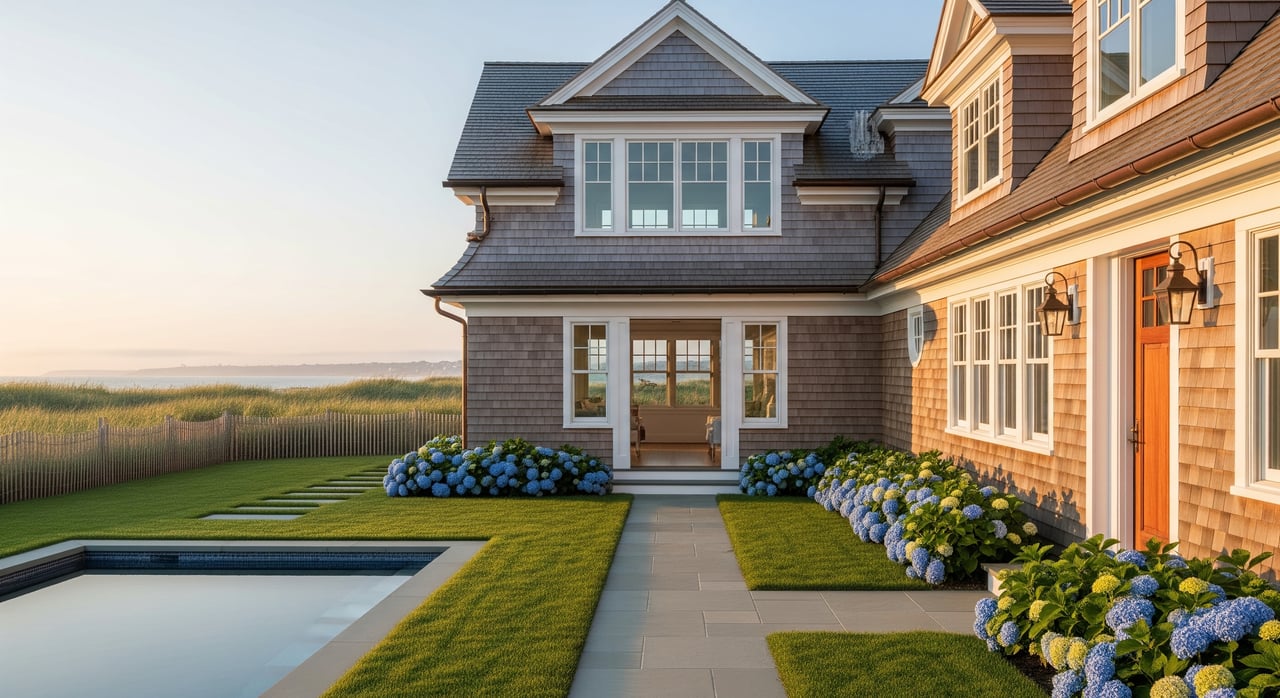
Wondering when to put your Hamptons home on the market? Timing can shape your price, your days on market, and even the kind of buyers who show up. If you want strong offers and minimal disruption, you need a plan that matches the rhythms of ZIP 11937 and greater Suffolk County. In this guide, you will learn how seasonality, pricing, and prep timelines work together so you can list with confidence. Let’s dive in.
The Hamptons selling calendar
Spring: set the stage
Spring listing activity builds from March through May. Buyers begin touring ahead of Memorial Day, and you benefit from growing traffic as the season opens. If you list in this window, you can be market-ready for June showings. Expect more competing inventory as other sellers launch, so presentation and pricing discipline matter.
Summer: peak exposure
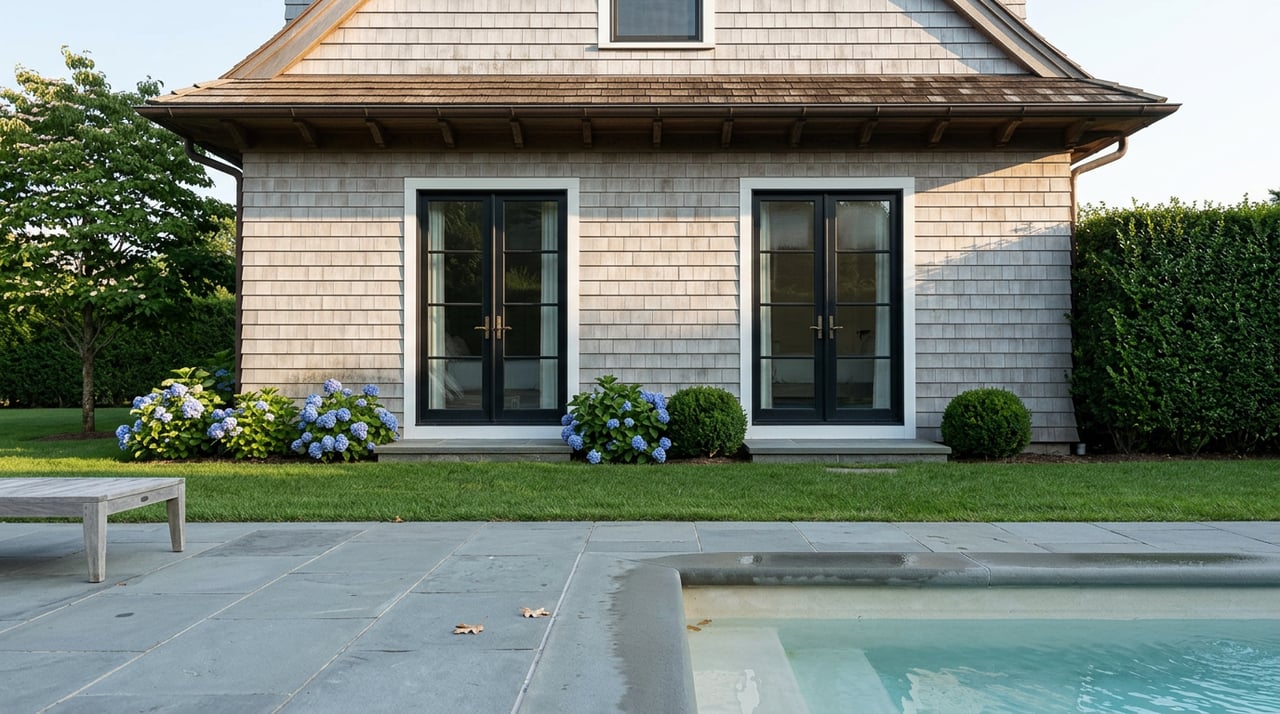
June through August delivers peak visitation and media attention. Outdoor amenities show at their best, which helps properties with pools, gardens, and water access shine. Desirable listings can attract multiple offers when marketed well. The trade-off is that some buyers are vacation-focused, so showings must be strategic and efficient.
Early fall: post-season decisions
September and October bring serious buyers who decided after spending summer locally. Inventory can be more manageable than spring, which helps well-positioned homes stand out. As temperatures drop, curb appeal shifts, so emphasize interiors and year-round livability. This is a strong window if you used the home over the summer and want to sell without waiting until spring.
Winter: focused, motivated buyers
From November through February, buyer volume is lower but intent is often higher. With fewer competitors on the market, competitively priced homes can move efficiently. This season is ideal if privacy and speed matter more than peak foot traffic. Highlight comfort features, systems, and winter-ready benefits to align with buyer priorities.
Match your goals to the right window
Goal: maximize price and competition
- Target late March to May, or early summer if your outdoor features are a draw.
- Start prep 10 to 12 weeks prior to your list date so you hit the market polished.
- Plan pre-list previews for top brokers to build early momentum.
Goal: faster sale with fewer showings
- Target late fall or winter. Focus on motivated buyers and private tours.
- Price competitively to create urgency in a lower-traffic season.
- Prepare in 6 to 8 weeks with an emphasis on interiors and systems.
Goal: capture post-season buyers
- Target early September to October after Labor Day.
- Many buyers decide to purchase after a summer in the Hamptons.
- Make sure your home is photo-ready while late-season curb appeal remains strong.
Goal: keep summer rental income, then sell
- Consider renting through the summer and listing in the fall.
- Understand the trade-off: you may miss peak-season bidding but retain rental revenue.
- Provide rental history and compliance details to investor-minded buyers.
Pricing and presentation by season
Pricing to the moment
In late spring and early summer, you can price more assertively if your home is staged, expertly photographed, and aligned with seasonal demand. More inventory means the risk of overpricing rises, so use fresh comparables to keep your range grounded. In fall and winter, fewer buyers require realistic, market-supported pricing to generate showings. Motivated buyers will move quickly when value is clear.
Media that sells the lifestyle
High-impact photography and video matter in the Hamptons. Invest in professional images, drone captures, and twilight photography, especially for waterfront and architectural properties. Time your shoot for the listing season: if you plan to list in spring or summer, capture pool, garden, and outdoor living at their best. If you plan to list in winter, create warm, inviting scenes that showcase year-round comfort.
Showings and exposure strategy
In summer, expect weekend traffic and shorter decision windows. Stack open houses and showings to leverage buyer presence in town. Off-season, opt for private, by-appointment tours and be ready for weekday visits from serious prospects. A brief pre-list window for select brokers can help generate qualified interest before you go live.
Timeline: from prep to close
10–12 weeks of pre-list preparation
Most sellers need 6 to 12 weeks to prepare, and luxury properties benefit from the longer runway. Use this time for repairs, landscaping, light refreshes, staging, and permitting. Complete disclosure forms, line up septic and well documentation where applicable, and order a survey if needed. Schedule photography to align with your target launch, then finalize your marketing plan and showing strategy.
Time on market and closing norms
Time on market varies by price, product, and season. In peak months, well-positioned homes can attract offers in days or weeks. Off-season, allow for longer exposure to find the right buyer. Once under contract, plan on roughly 30 to 60 days for a New York residential closing, depending on financing, title, and municipal requirements.
Local factors in 11937 and Suffolk County
Access and buyer patterns
Buyer traffic concentrates when New York City residents spend more time on the East End, especially late spring through summer weekends. That is why open houses and weekend showings are most productive in peak season. In fall and winter, local buyers, downsizers, and investors make up a larger share of the pool. Align your pricing and marketing with the season’s likely audience.
Short-term rental rules and investor demand
Short-term rental regulations vary across towns on the East End and can influence pricing and buyer interest. If your home has a rental history, prepare documentation of permits and compliance. Investor buyers will ask for revenue history, seasonality, and any current bookings. Clear records can reduce friction during diligence.
Waterfront and flood documentation
For waterfront or low-lying properties, confirm flood-zone details and gather any elevation certificates or insurance information. Buyers and lenders will evaluate these items early. Having the right documentation upfront speeds negotiations and helps prevent last-minute delays.
Neighborhood and micro-market nuance
Micro-markets across Suffolk County behave differently by proximity to beaches, village centers, and amenities. Pricing and absorption rates vary across oceanfront, bay, and inland segments. Ask your broker for a current comparative market analysis and recent seasonal report to set expectations for your specific location and tier.
Seller checklist: get market ready
- Secure a current CMA with recent, relevant comparables.
- Confirm permits, survey, septic or well records, and open permits, if any.
- Complete high-impact refreshes: landscaping, paint, lighting, and hardware.
- Stage for the target season and buyer profile.
- Book professional photography, drone, and twilight sessions.
- Prepare disclosures, including lead paint for older homes.
- Create a showing plan: open houses in season, private tours off-season.
- Coordinate with your attorney and title team before going live.
Pricing clarity: what to watch
- Active and pending listings in your segment and area.
- Days on market trends by season and price tier.
- Buyer behavior signals: open-house traffic and private tour requests.
- Competitive listings launching in your window.
Legal and tax items to discuss early
- New York transfer costs, including state and local transfer taxes and recording fees.
- The state “mansion tax,” which generally applies to sales at or above $1 million, depending on current rules.
- Federal capital gains considerations if the property is or was your primary residence.
- Town-specific processes that can affect timing, such as permits or inspections.
- Always consult your real estate attorney and tax advisor for guidance on your situation.
The bottom line
There is no single best month to sell in the Hamptons. There is only the best month for your goals, your property type, and your preparation. If you want competitive offers and broad exposure, plan your prep to launch late spring through early summer. If you value speed, privacy, or investor attention, target fall or winter with pricing that moves the market. When your timing, presentation, and pricing work together, you maximize your outcome.
If you are weighing whether to list before or after the season, the right strategy starts with a precise plan for 11937 and your property. For a confidential, data-informed timing conversation tailored to your goals, connect with Lauren Mitinas-Kelly | Limitless LMK.
FAQs
What months have the most Hamptons buyer traffic?
- Late spring through summer, roughly May to August, see the highest visitation and in-person showings.
Is fall a good time to list a Hamptons home?
- Yes, September and October attract post-season buyers who are often serious and less distracted, with potentially less competing inventory.
Will my home sell faster in summer in ZIP 11937?
- Often, if your property aligns with seasonal demand and is marketed well, though competition from other listings also rises in spring and summer.
How far in advance should I prepare before listing?
- Allow 6 to 12 weeks for repairs, staging, photography, permits, and disclosures so you can launch on schedule.
How do short-term rental rules affect my sale?
- Local rules influence investor demand and pricing; provide rental history and compliance documentation to reduce diligence friction.
What is the typical closing timeline in Suffolk County?
- After a signed contract, many New York residential closings take about 30 to 60 days, depending on financing, title, and municipal factors.